



Sep.08,2026
A practical guide for architects, contractors, MEP engineers and procurement teams specifying thermal and acoustic insulation.
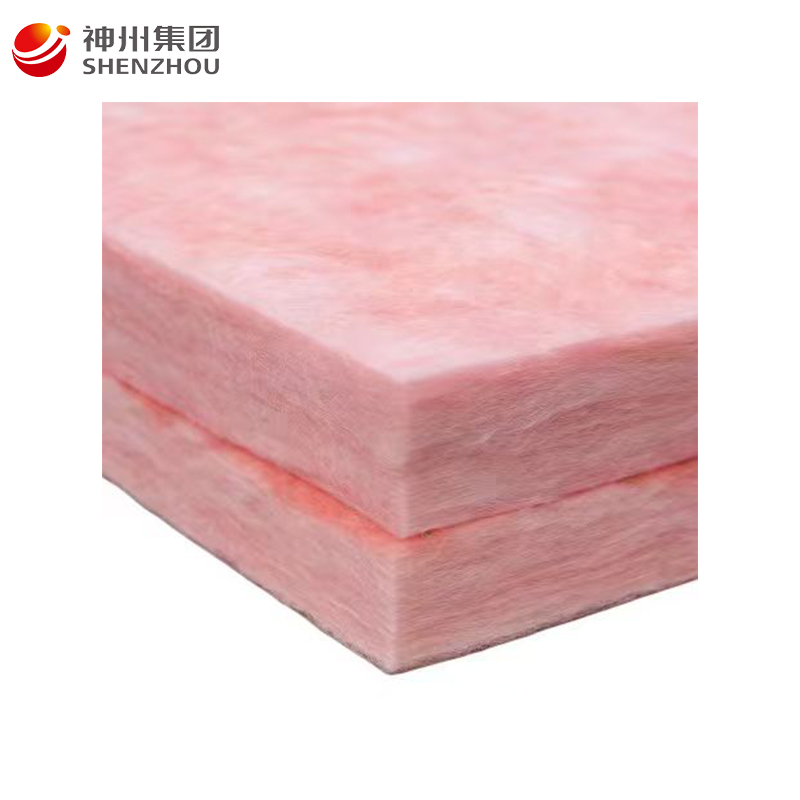
Glass wool — often called fibreglass insulation or glass fibre insulation — is a lightweight, fibrous material made by melting recycled glass and silica sand above 1,400°C and spinning the molten mixture into fine, wool-like fibres. For specifiers weighing insulation options, glass wool insulation from a vertically integrated manufacturer such as Shenzhou offers an efficient, cost-effective route to better building energy performance. In short, it is one of the most widely specified insulation materials in modern construction because it simultaneously cuts heat loss, dampens noise, resists fire, and installs quickly across residential, commercial and industrial projects.
Glass wool is a man-made mineral fibre belonging to the broader mineral wool family alongside rock wool and slag wool. Millions of fine glass filaments trap still air in tiny pockets, and because still air is a poor conductor, the material delivers low thermal conductivity in a very light package. The base feedstock is typically 40–60% recycled glass cullet blended with silica sand, limestone and soda ash — the same chemistry found in everyday window glass, just reshaped into insulating fibre.
Production follows a consistent, scalable process:
Raw material preparation — recycled glass, silica sand, limestone, soda ash and borax are mixed and charged into a furnace.
Melting — the batch is heated above 1,400°C until fully molten.
Fibre formation — molten glass is pushed through spinners and drawn into filaments only a few micrometres in diameter via centrifugal spinning.
Binder curing — a modern, formaldehyde-free binder is applied and heat-cured to lock the mat together.
Product forming — the mat is converted into glass wool rolls, batts and boards, plus loose-fill and faced variants for specialised jobs.
Builders reach for glass wool because it answers four pressures at once: rising energy codes, acoustic comfort demands, fire-safety regulation, and tight project budgets. Its value shows up differently across building types.
In homes, glass wool is installed in attics, cathedral ceilings, exterior walls, internal partitions and between floor joists. Properly detailed, it lowers heating and cooling bills year-round and removes the draughts and temperature swings that undermine comfort. Pre-cut glass wool batts make retrofit and new-build fit-out fast for contractors.
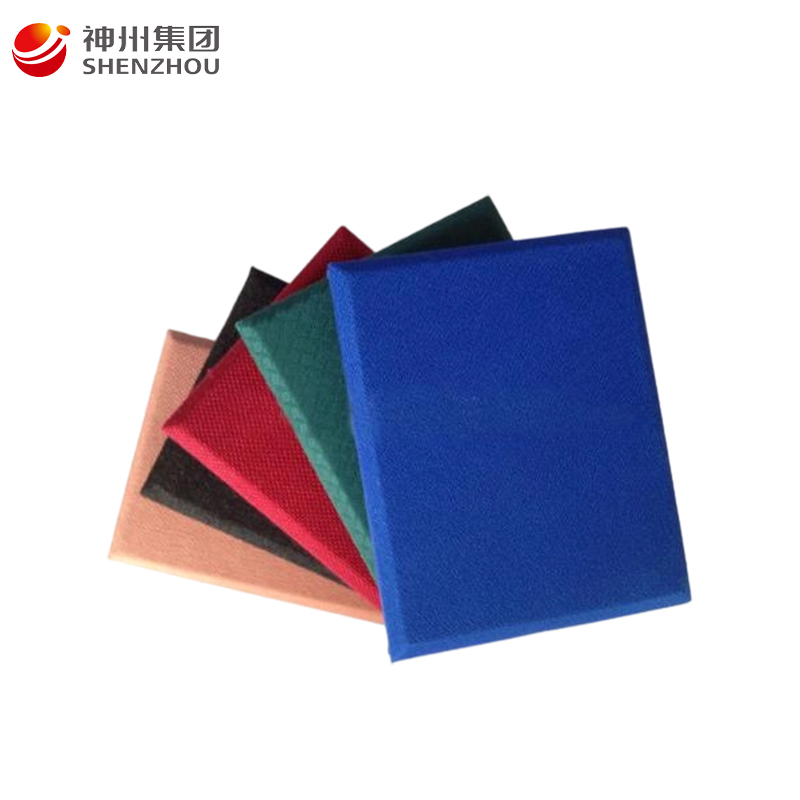
Offices, hotels, shopping centres, schools and hospitals use glass wool for both envelope and interior systems. Its noise reduction coefficient (NRC) improves speech privacy in open-plan floors and contains mechanical noise in plant rooms. Light weight also reduces structural load on large roof decks.
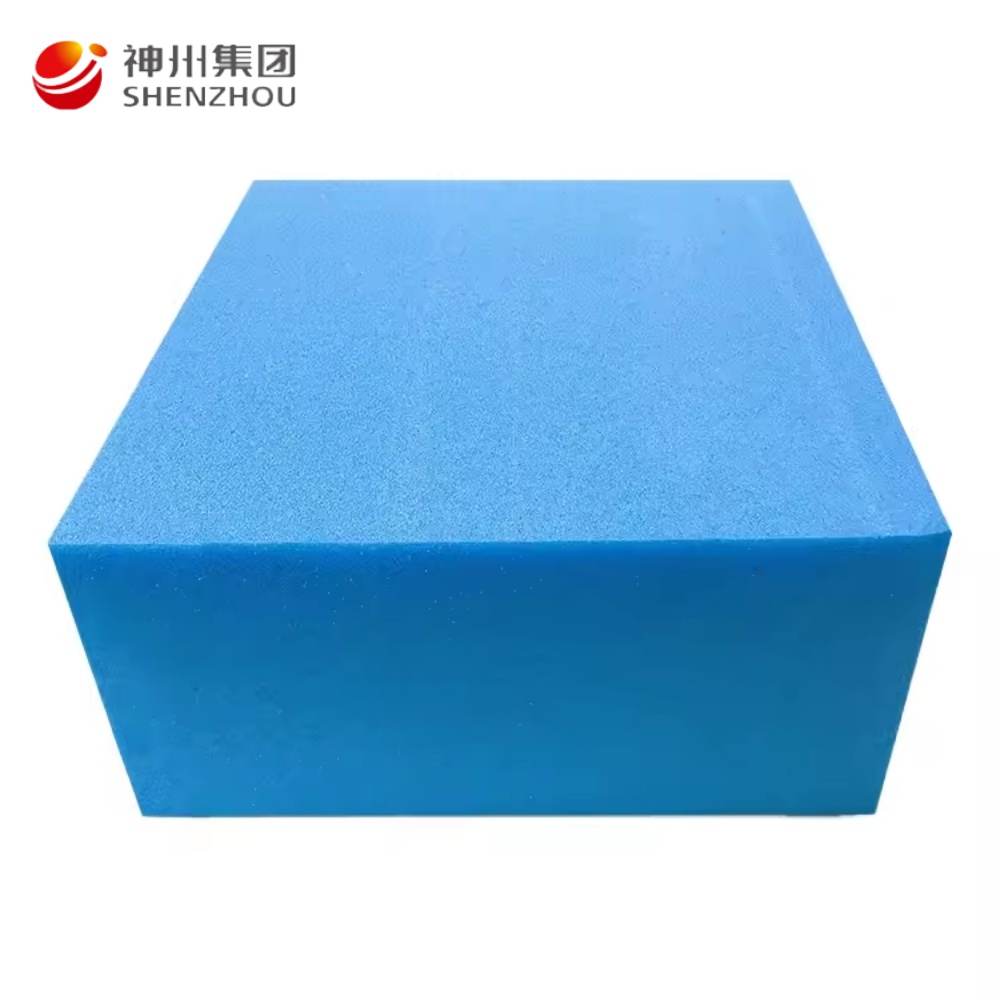
Factories, warehouses, clean rooms and mechanical systems rely on glass wool for pipe insulation, duct wrap and equipment lagging. Because it is far lighter than dense alternatives, it is easy to suspend overhead and shape around valves and fittings. Where flexible closed-cell protection is preferred on chilled water lines, pair it with rubber foam insulation for condensation control.
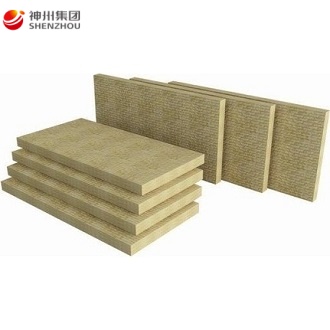
Both are non-combustible mineral wools, but they are not interchangeable. Glass wool is lighter, easier to cut, and more economical, making it the default for general walls, roofs and HVAC where budgets and speed matter. Rock wool (stone wool) is denser, carries higher temperature limits, and performs better in fire-rated partitions and high-heat industrial zones. For most mixed portfolios, the two complement each other: use rock wool where fire rating and heat are critical, and glass wool where cost and acoustic comfort lead. See our Rock Wool Insulation Guide for the full comparison.
To match product to performance, procurement teams should review these parameters before placing an order:
Density (kg/m³) — typically 10–48 kg/m³; higher density improves acoustics and board rigidity.
Thermal conductivity (λ) — 0.033–0.044 W/(m·K); lower is better for a given thickness.
Thickness — 25–100 mm and beyond, chosen against the target R-value.
Fire classification — look for Euroclass A1 / non-combustible certification.
Facing — plain, kraft, or FSK (foil-scrim-kraft) for vapour and radiant control.
Service temperature & shot content — confirm operating range and low non-fibrous content for a clean install.
For commercial sizing methodology, our Glass Wool Insulation Buying Guide for Commercial Buildings walks through thickness, density and fire selection in detail. Buyers should also confirm MOQ, lead time and facing options directly with the manufacturer.
Two myths persist. First, glass wool does not contain asbestos — the two materials are entirely unrelated, and modern glass wool uses biosoluble fibres compliant with EN 13162. Second, "fibreglass is toxic" is outdated: contemporary lines use formaldehyde-free binders and carry greenguard and low-emission certifications. Environmentally, the high recycled-glass content, long service life and recyclability make it a strong fit for green-building and net-zero targets.
Shenzhou's glass wool has been specified in landmark projects including the China National Stadium (Bird's Nest) and Beijing Daxing International Airport, reflecting proven performance at scale. Procurement leads consistently note fast installation and measurable HVAC savings, while mechanical engineers highlight stable thermal behaviour through summer and winter cycles. Explore more industry-specific case studies and our company profile.
Glass wool is used as thermal and acoustic insulation in building walls, roofs, attics, floors and HVAC systems, and in industrial pipe and duct applications where heat loss, noise and fire spread must be controlled.
Typical glass wool products have a thermal conductivity (lambda) of 0.033 to 0.044 W/(m·K), with lower values indicating better insulation performance for a given thickness.
Light-density batts around 10 to 24 kg/m³ suit standard cavity and stud walls, while denser boards of 32 to 48 kg/m³ are preferred for acoustic partitions, ceilings and faced roofing applications.
Yes. Glass wool is non-combustible and commonly classified Euroclass A1, so it does not spread flame and helps protect building structure during a fire.
Fit batts snugly between studs or joists without compressing them, keep the vapour barrier on the warm side, seal joints, and avoid gaps at edges and around services for full cavity coverage.
Glass wool is among the most cost-effective insulation materials; per-square-metre pricing depends on density, thickness, facing and order volume, so request a quote from the manufacturer for project-specific rates and MOQ.
There is no material difference: fiberglass insulation is simply the common US term for glass wool. Both describe the same spun-glass-fibre insulation product.
Modern glass wool contains a high percentage of recycled glass, uses formaldehyde-free binders, is durable for the building lifetime, and is recyclable, supporting green-building and energy-efficiency goals.
Specifying glass wool for your next project?
Talk to Shenzhou's engineering team for product data, samples and a custom quote — manufacturer-direct from 40+ years of insulation expertise.