



Aug.12,2026
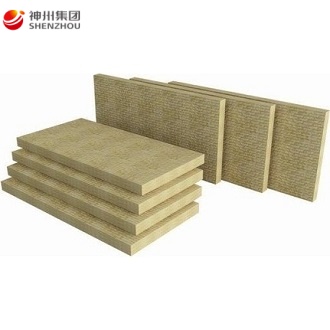
When the Grenfell Tower fire investigation identified combustible cladding insulation as the primary factor in the fire's catastrophic vertical spread, the global building industry's response was not to improve combustible insulation — it was to mandate non-combustible insulation in facade systems. Rock wool — made from molten basalt rock spun into fibers at 1,500°C — is non-combustible at its core, not through a fire-retardant additive that degrades over time. It achieves Euroclass A1 — the highest fire classification — and maintains structural integrity at temperatures exceeding 1,000°C. For architects, building contractors, and industrial engineers specifying insulation where fire performance is non-negotiable, rock wool is not an option — it is the only material that meets the specification.
| Format | Density Range | Thermal Conductivity | Primary Applications |
|---|---|---|---|
| Rock Wool Board (Rigid) | 60-200 kg/m³ | 0.035-0.045 W/mK | Building facade fire barriers, flat roof insulation, sandwich panel core, fire-rated compartment walls, industrial furnace casing insulation |
| Rock Wool Blanket (Flexible) | 40-80 kg/m³ | 0.037-0.045 W/mK | HVAC duct insulation, large-diameter pipe insulation, tank and vessel insulation, building cavity wall insulation, acoustic absorption in industrial enclosures |
| Rock Wool Pipe Section | 80-150 kg/m³ | 0.035-0.042 W/mK | Steam pipes, hot water piping, industrial process pipes requiring fire-rated insulation, marine piping systems |
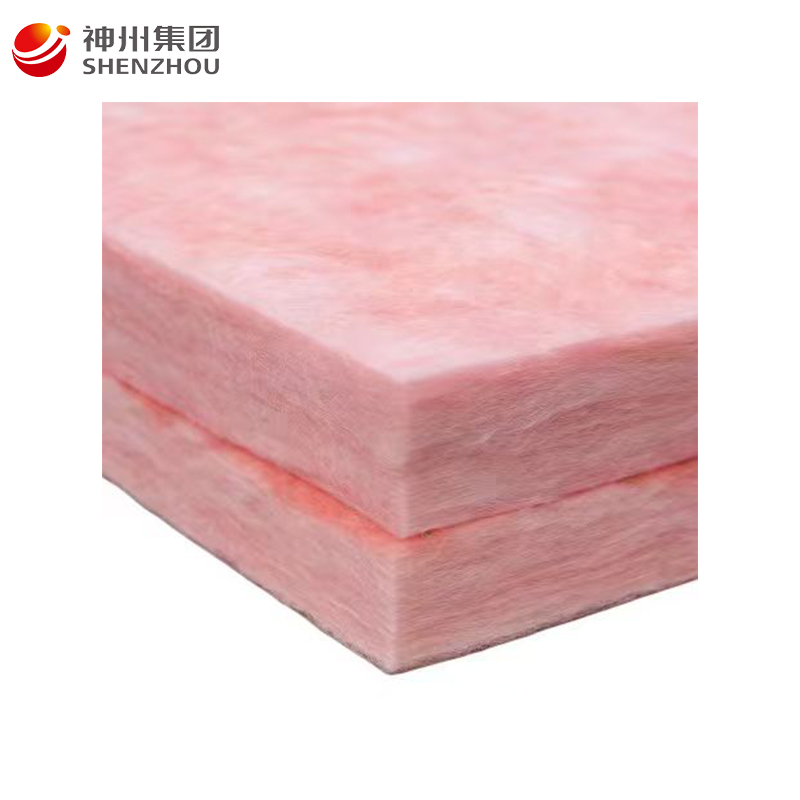
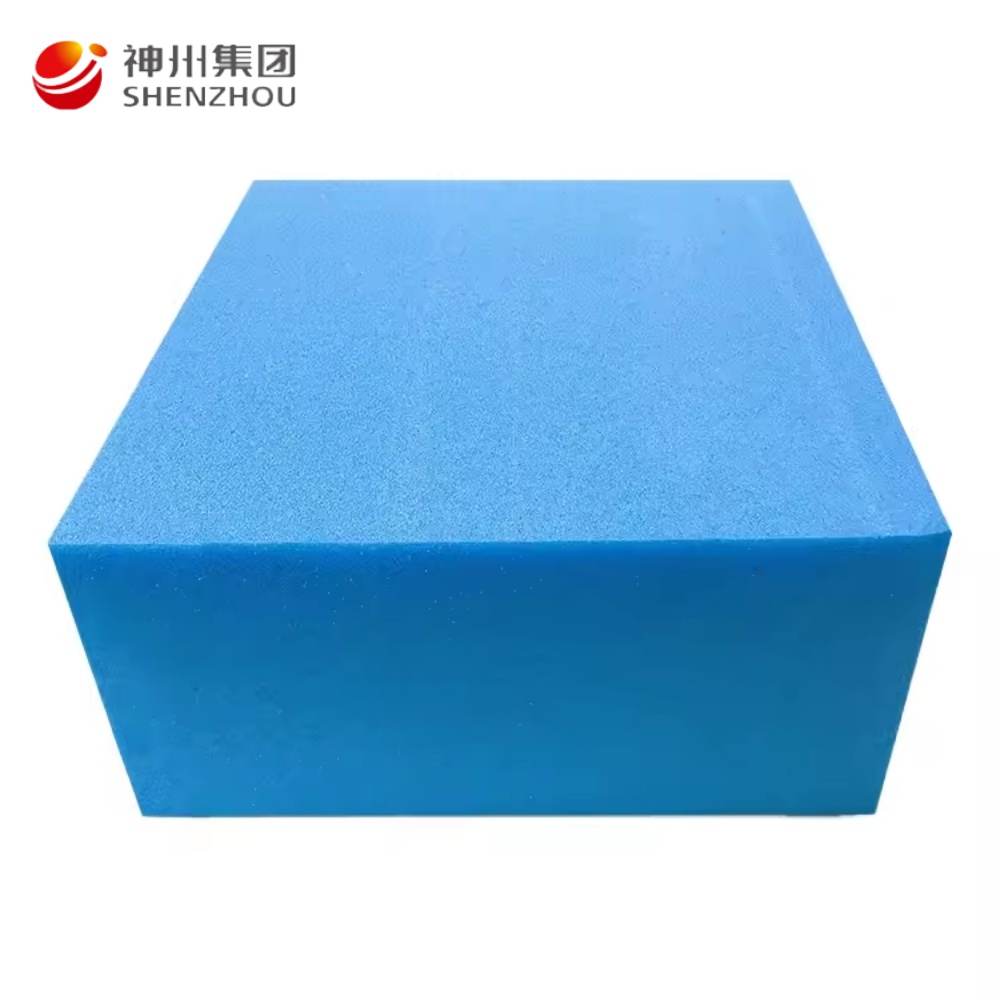
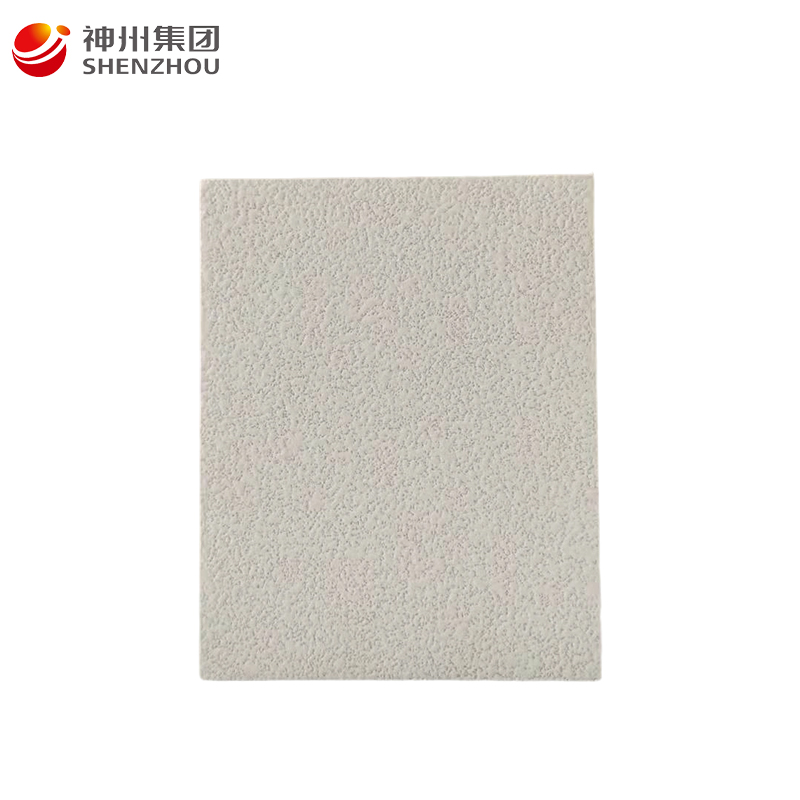
Rock wool's fire performance is not a coating, an additive, or a surface treatment — it is inherent to the material. The basalt fibers that form rock wool were created at volcanic temperatures and remain stable when exposed to building fire temperatures that would melt glass wool (approximately 600°C), ignite XPS and EPS foam boards (approximately 300-400°C), and decompose polyurethane foam. A rock wool insulation board tested to EN 13501-1 achieves Euroclass A1 — non-combustible, no flashover, no contribution to fire growth. The same material serves as a fire barrier in building facades, preventing vertical flame spread through the cavity between the exterior cladding and the structural wall.
This fire performance is the reason rock wool appears in Shenzhou's iconic project portfolio: the China National Stadium (Bird's Nest), Beijing Daxing International Airport, and National Speed Skating Oval for the 2022 Winter Olympics. These are public assembly structures where fire safety is a life-safety requirement — and rock wool's non-combustible nature makes it the specified insulation material. Shenzhou's rock wool manufacturing, backed by 40-plus years of industry experience and 100-plus certifications, delivers the material performance that these landmark projects require.
Rock wool's fibrous structure — a three-dimensional mat of interlocking mineral fibers with air trapped between them — makes it an effective sound absorber. The Noise Reduction Coefficient (NRC) of rock wool ranges from 0.7 to 1.0 depending on density and thickness — meaning it absorbs 70-100% of incident sound energy. This dual thermal-acoustic performance means a single rock wool installation in an HVAC duct simultaneously reduces heat loss and fan noise transmission; a rock wool-filled partition wall provides both thermal comfort and speech privacy between rooms.
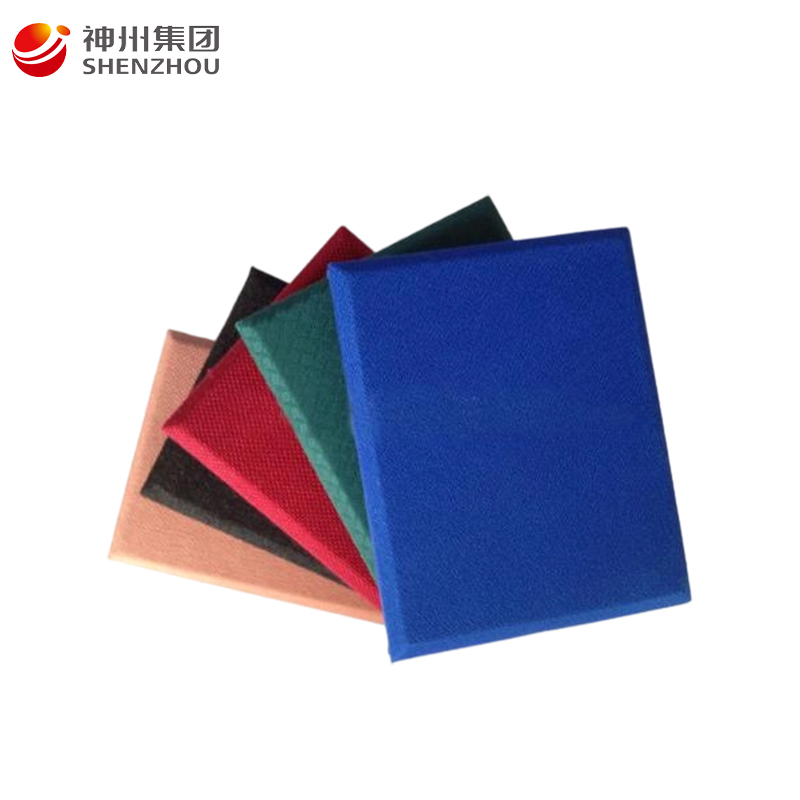
For acoustic applications, rock wool densities of 40-60 kg/m³ with high thickness (50-100mm) maximize sound absorption at low frequencies where HVAC rumble and traffic noise concentrate. Higher densities (100-plus kg/m³) provide sound insulation — blocking sound transmission through mass rather than absorbing it. Shenzhou's rock wool product line spans both density ranges, with acoustic panels available as a distinct product category for architectural interior applications including the National Grand Theatre.
Rock wool's application split between building construction and industrial insulation reflects the material's dual fire-and-thermal capability. In building applications — facade fire barriers, flat roof insulation, partition walls, HVAC insulation — the specification driver is fire safety combined with thermal performance, and rock wool competes with glass wool (lower cost, lower fire rating) and XPS (lower cost, combustible). In industrial applications — power plant boiler insulation, petrochemical pipe insulation, furnace lining, marine fire protection — the specification driver is continuous operating temperature capability combined with fire resistance, and rock wool competes with ceramic wool (higher temperature rating, higher cost).
For the complete Shenzhou insulation system, rock wool integrates with the complementary product lines — glass wool for cost-optimized thermal performance where fire rating is less critical, ceramic wool for industrial applications exceeding 1000°C, and rubber foam for HVAC pipe insulation in occupied buildings — all from a single manufacturer with 12 industrial parks and 40-plus years of production experience.
Contact Shenzhou with your thermal, fire, and acoustic requirements for rock wool product selection, density recommendation, and project quotation.
qiu@shenzhoujt.cn

Previous: