



Jul.27,2026
When it comes to creating an optimal acoustic environment in your workspace or home, choosing the right acoustic panels is crucial for effective noise reduction. In this article, I will guide you through the actionable steps to select the most suitable acoustic panels that not only enhance your sound quality but also improve the overall aesthetic of your space. With a focus on practical application, you will be able to tackle noise-related challenges efficiently.
Before diving into the selection process, it's essential to identify the primary sources of noise in your environment. Is the noise coming from external sources like traffic or internal sources such as conversations and machinery? This understanding will aid you in determining the type of acoustic panels that will be most effective for your needs.
Start by measuring the dimensions of the area where you plan to install the acoustic panels. Accurate measurements are critical; even a slight inaccuracy can lead to poor sound absorption. I recommend using tools like a laser distance meter, which provides precision to 0.01mm. Ensure that you cover all surfaces, as reflections from walls, ceilings, and floors can exacerbate noise.
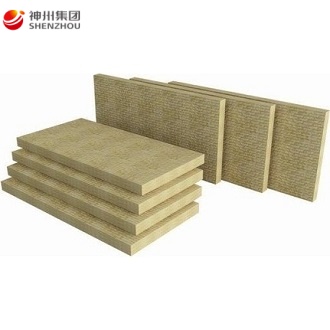
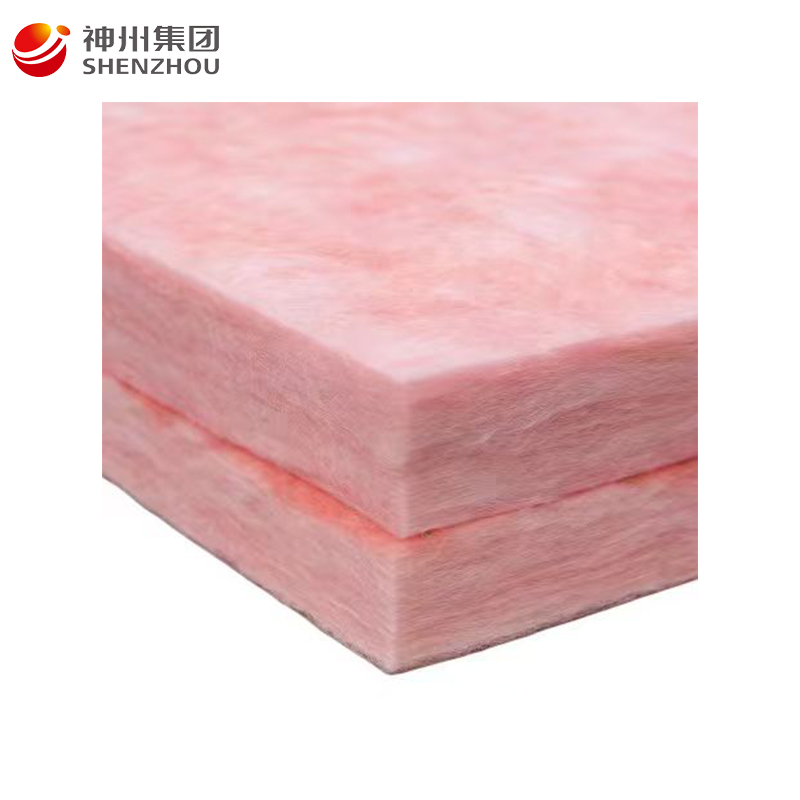
Not all acoustic panels are created equal. Depending on your specific noise issues, you can choose:
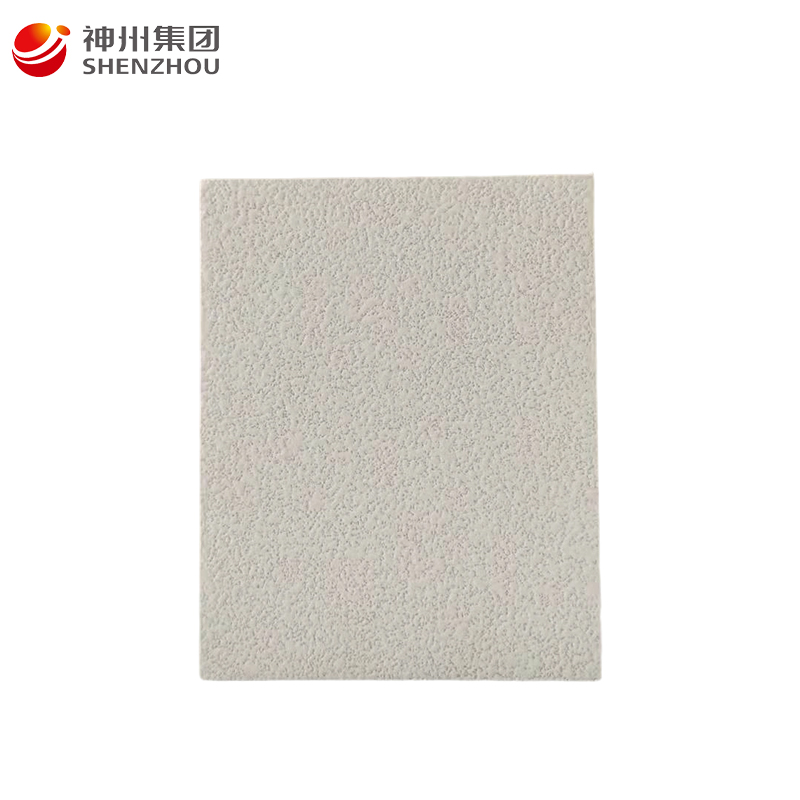
For this, consult an acoustic panel supplier, like Shenzhou Group, which offers a variety of sound absorption products tailored to specific environments.
Strategically placing your acoustic panels can significantly influence their effectiveness. Follow these guidelines:
If you're unsure about the quantity needed, consider reaching out to an expert from an acoustic panel supplier like Shenzhou Group, who can provide insights based on testing standards such as ASTM E90 for sound transmission loss.
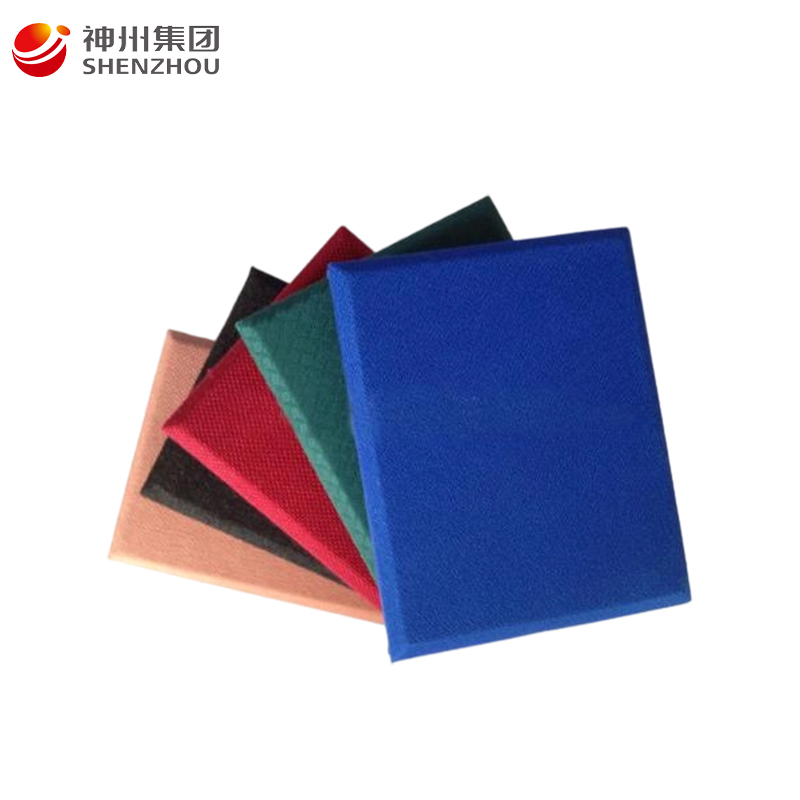
Acoustic panels can be functional and decorative. Choose colors and designs that complement the existing decor of your space. Many acoustic panel suppliers offer customization options which can be a great way to maintain your brand identity or personal style.
Installing acoustic panels shouldn't be daunting. Here’s how to do it:
During the execution of your noise control plan, you might face challenges such as difficulties in determining the right placement or installation issues. Here are some strategies to mitigate these hurdles:
To further enhance your selection and installation process, consider utilizing these tools and resources:
To successfully choose and implement acoustic panels for noise reduction, remember to:
By following these steps, you’ll ensure that your chosen acoustic panels work effectively to reduce noise in your environment, whether it's a busy office or a cozy home theater. Don't wait—take immediate action towards improving your sound environment and consider reaching out to experts like Shenzhou Group, an experienced acoustic panel supplier, for tailored solutions that suit your specific needs.