



Nov.09,2026
Glass wool is widely used in building insulation and acoustic applications due to its lightweight structure, thermal insulation properties, fire resistance, and sound absorption capabilities. Traditionally, yellow glass wool has been a common choice in the insulation market. However, pink glass wool has gained popularity in recent years, particularly in certain international markets.
Why is pink glass wool becoming increasingly popular? Is it because of better product performance, changing market preferences, or differences in manufacturing processes? The trend can be understood by examining several key factors.
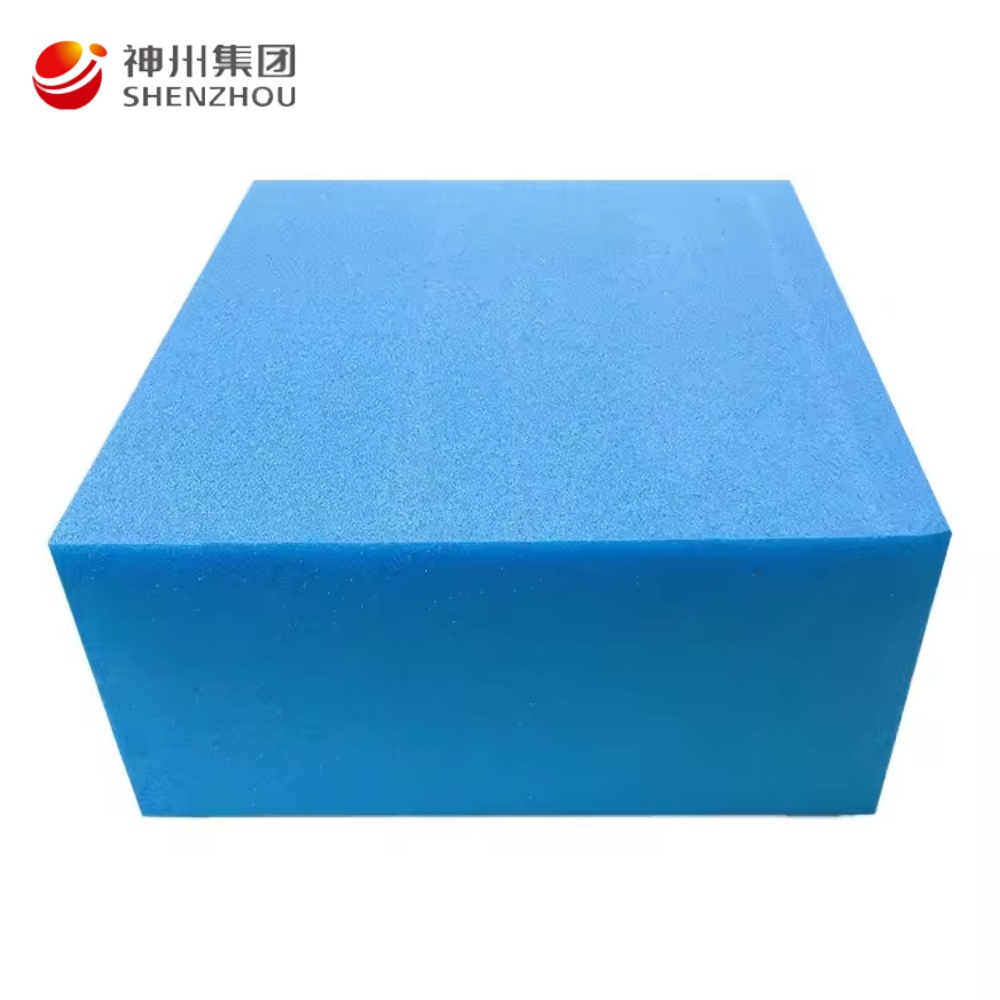
Traditional yellow glass wool is widely used for thermal insulation in walls, roofs, cold storage facilities, pipelines, and industrial equipment. It is typically manufactured by melting glass raw materials, such as silica sand and recycled glass, at high temperatures and processing the molten material into fine fibers.
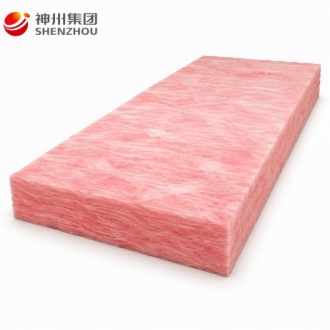
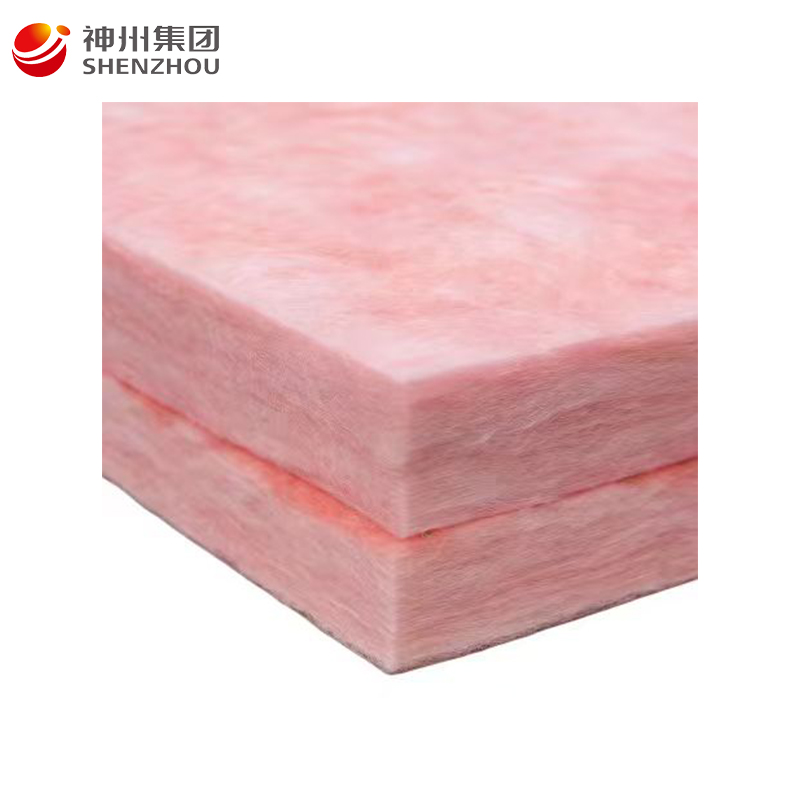
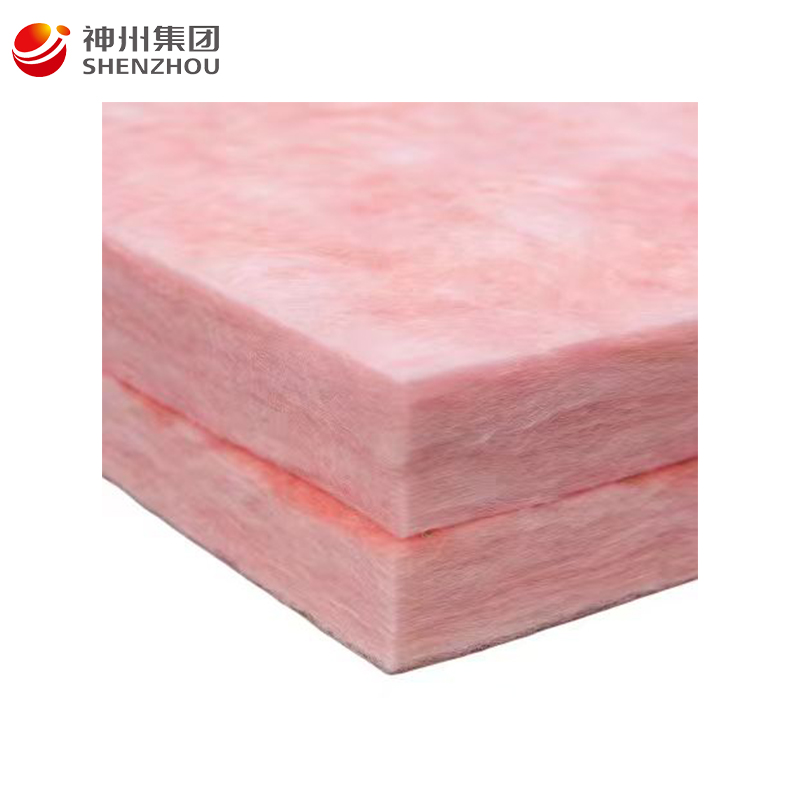
Pink glass wool is also made from glass fibers. Its distinctive color is generally achieved through the use of colorants during production. Depending on the manufacturer and product specifications, different glass wool products may also use different binder formulations, including formaldehyde-free binders.
Both pink and yellow glass wool can provide effective thermal insulation and sound absorption. Their actual performance depends on factors such as fiber diameter, density, thickness, binder formulation, and product structure rather than color alone.
For applications requiring acoustic control, such as concert halls, recording studios, theaters, and commercial buildings, glass wool products with appropriate acoustic specifications can help absorb sound and reduce noise transmission and reverberation.
Color differentiation also offers practical benefits on construction sites. Pink and yellow materials can be easier to distinguish visually, helping workers identify different product types or specifications when multiple insulation materials are used in the same project.
However, color should not replace product labels, technical specifications, or installation guidelines when selecting and identifying insulation materials.
Color is not necessarily an indicator of insulation performance, but it can influence product recognition and purchasing preferences.
Pink glass wool has a distinctive appearance that helps it stand out in the insulation market. In some regions, this color has become closely associated with glass wool insulation products, making it easier for distributors, contractors, and end users to recognize.
Its visual identity also contributes to brand differentiation, particularly in markets where pink glass wool has established a strong presence.
A recognizable product appearance can simplify material identification during transportation, storage, and installation. For contractors and distributors handling multiple insulation products, consistent color identification can improve daily material management.
Beyond appearance, buyers should evaluate glass wool based on its fire performance, moisture resistance, durability, and compliance with relevant standards.
Glass fibers are inherently non-combustible. However, the overall fire performance of a glass wool product may vary depending on its binder, facing materials, and product construction.
Buyers should refer to the manufacturer's fire test reports and applicable fire classification standards rather than assuming that pink glass wool offers better fire resistance than yellow glass wool.
Glass wool products can be supplied with different facings, including aluminum foil and other specified facing materials, depending on their intended applications.
These facings can help control water vapor penetration and protect the insulation layer when properly selected and installed. For applications involving condensation or high humidity, buyers should consider the complete insulation system, including vapor barriers, joints, and installation details.
As environmental and indoor air quality requirements become increasingly important, buyers are paying closer attention to binder formulations, fiber emissions, and relevant product certifications.
Formaldehyde-free binder technology is one development in the glass wool industry. When selecting products for buildings and enclosed spaces, buyers should review the manufacturer's material declarations, emission test results, and applicable environmental certifications.
The construction industry increasingly requires insulation materials that can meet multiple project requirements, including thermal efficiency, acoustic comfort, fire safety, and moisture control.
Glass wool products can support these needs through different densities, thicknesses, product forms, and facing options.
For example, glass wool boards and blankets can be used in building envelopes, HVAC systems, industrial equipment, and acoustic insulation applications. Facing materials can also be selected to suit specific installation and environmental requirements.
Rather than choosing between pink and yellow glass wool based solely on appearance, project owners and contractors should evaluate the actual technical specifications and suitability of each product for their intended application.
The growing popularity of pink glass wool reflects a combination of regional market preferences, product recognition, manufacturing developments, and changing customer requirements. However, color alone does not determine the thermal insulation, acoustic absorption, fire resistance, or durability of glass wool.
For buyers, the most important considerations remain product specifications, binder formulations, environmental performance, relevant certifications, and application requirements.
Pink glass wool has established a strong market presence in regions such as the United States, Canada, Mexico, Ecuador, Colombia, Australia, and New Zealand. As demand for energy-efficient and comfortable buildings continues to grow, high-quality glass wool products will remain an important part of modern insulation solutions.
At SHENZHOU, we provide glass wool insulation products, including glass wool boards, for different building and industrial applications. If you are looking for reliable glass wool products or need assistance selecting suitable insulation specifications for your project, contact us to discuss your requirements and explore customized solutions.