



Jun.18,2026
When selecting insulation materials for HVAC systems, industrial piping, refrigeration equipment, commercial buildings, or manufacturing facilities, buyers often compare Rubber Foam and Fiberglass Insulation. Both materials provide thermal insulation, but they differ significantly in moisture resistance, installation requirements, energy efficiency, durability, and long-term maintenance costs.
This guide is designed for contractors, project engineers, procurement managers, distributors, and OEM manufacturers who need to determine which insulation solution delivers the best value for their specific applications.
The growing demand for energy-efficient buildings, cold chain logistics, HVAC equipment, and industrial process systems has increased the need for high-performance insulation materials.
Many projects initially focus only on material cost. However, insulation performance affects:
Energy consumption
Equipment lifespan
Condensation prevention
Indoor air quality
Maintenance expenses
Regulatory compliance
As a result, choosing between Rubber Foam and Fiberglass Insulation has become an important purchasing decision across industries such as construction, HVAC manufacturing, refrigeration, marine engineering, data centers, pharmaceutical plants, and food processing facilities.
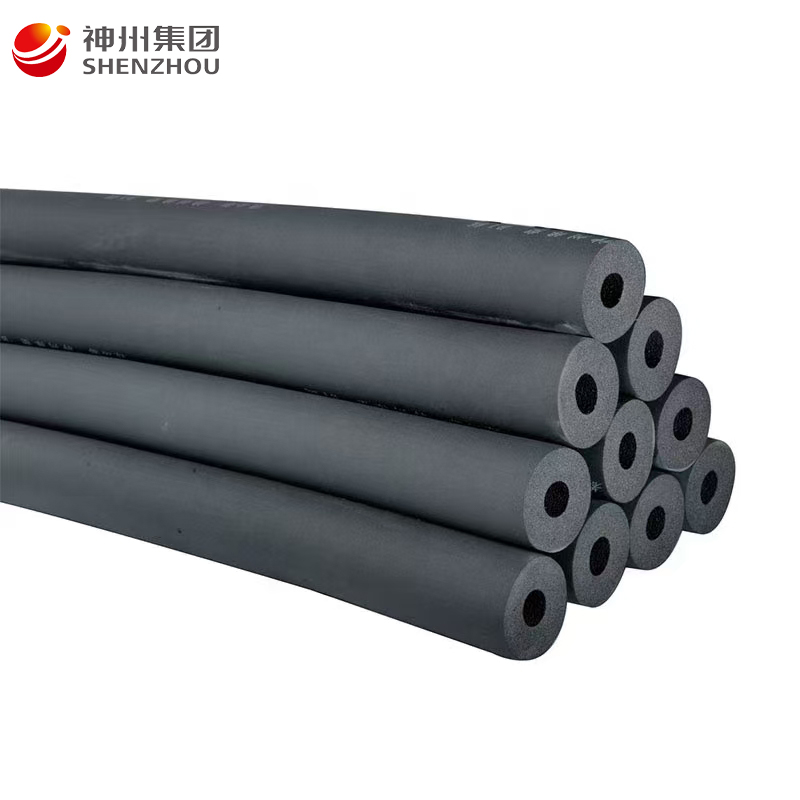
Both materials provide thermal insulation, but their performance varies under different environmental conditions.
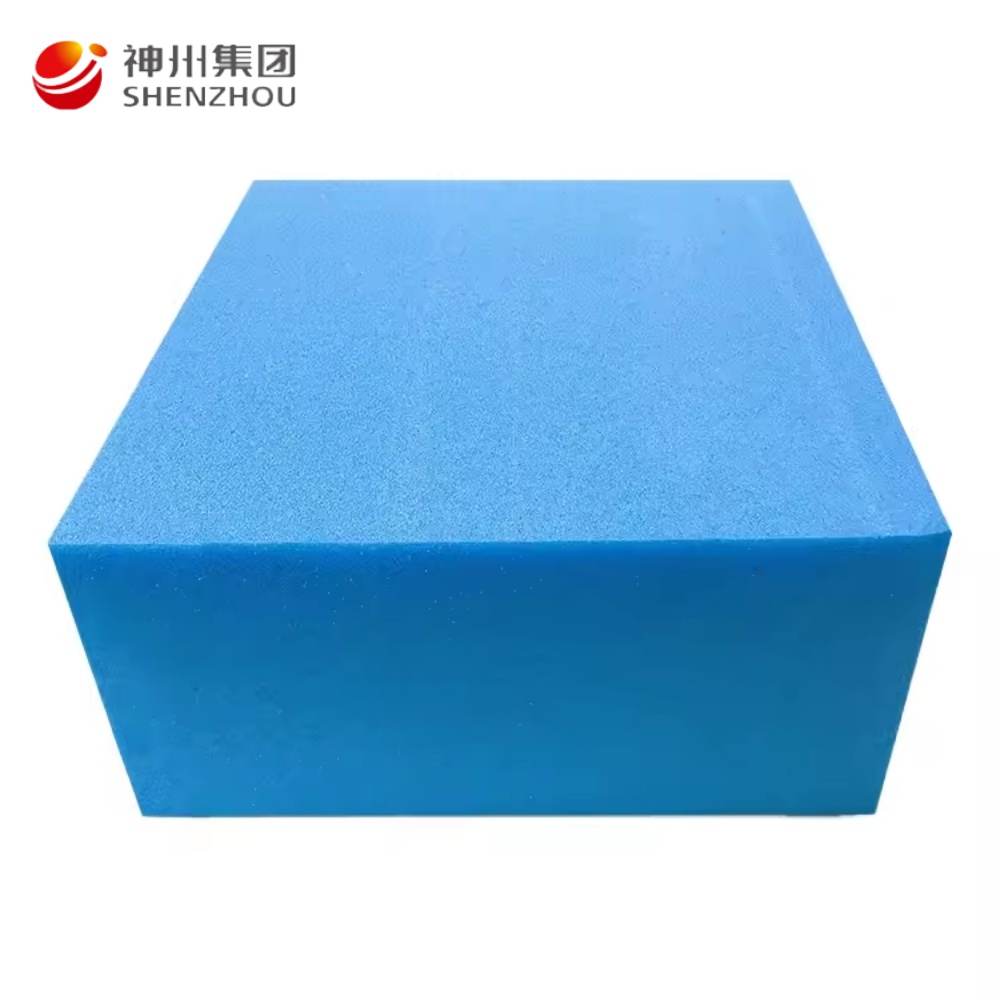
Rubber Foam Insulation features a closed-cell structure that minimizes heat transfer and reduces thermal loss over time.
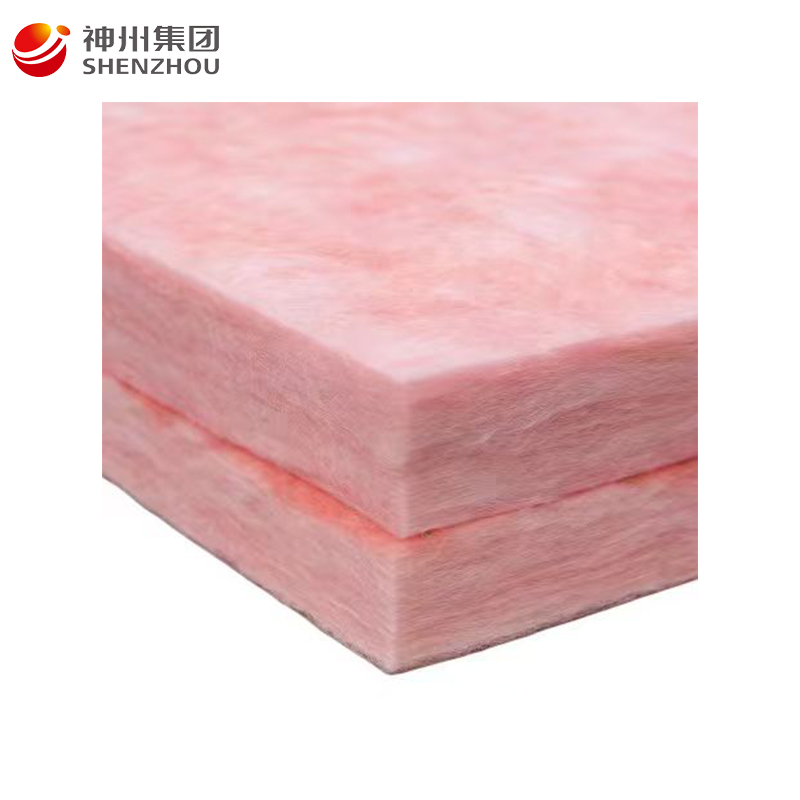
Fiberglass relies on trapped air pockets between glass fibers to slow heat movement. While effective, its performance may decrease when exposed to moisture.
One of the biggest differences lies in water resistance.
Rubber Foam naturally acts as a vapor barrier, helping prevent condensation on chilled water pipes, refrigeration systems, and air-conditioning equipment.
Fiberglass often requires additional vapor barrier jackets. If moisture penetrates the insulation layer, thermal performance may decline significantly.
Installation labor can greatly impact project costs.
Rubber foam insulation is:
Flexible
Lightweight
Easy to cut
Suitable for complex pipe layouts
Fiberglass insulation is commonly available in batts, rolls, and rigid boards, but installation may require additional protective equipment due to fiber particles.
Industrial buyers increasingly evaluate lifecycle cost rather than initial purchase price.
Rubber foam typically offers:
Better resistance to mold growth
Lower maintenance requirements
Improved flexibility
Longer service life in humid environments
Fiberglass may require replacement if exposed to excessive moisture or mechanical damage.
The best choice depends on the operating environment and project requirements.
Installing HVAC duct systems
Insulating chilled water pipes
Protecting refrigeration equipment
Preventing condensation
Operating in humid climates
Requiring easy installation
Applications commonly include:
Commercial buildings
Hospitals
Data centers
Airports
Cold storage warehouses
Pharmaceutical manufacturing plants
Budget is the primary concern
High-temperature resistance is required
Large wall cavities require insulation
Dry indoor environments are available
Applications often include:
Residential construction
Industrial furnaces
Mechanical rooms
Building envelope systems
Many buyers make avoidable errors during material selection.
A lower purchase price does not always result in lower operating costs.
Higher energy consumption and maintenance expenses can outweigh initial savings.
Humidity, temperature fluctuations, and exposure to water should always be evaluated before selecting insulation materials.
Condensation can lead to corrosion, mold growth, and equipment damage.
A proper vapor barrier strategy is essential.
Insulation thickness directly affects energy efficiency and compliance with local building standards.
Before requesting quotations, buyers should verify the following specifications:
Lower thermal conductivity generally indicates better insulation performance.
Material density influences durability, compression resistance, and thermal efficiency.
Critical for chilled water and refrigeration applications.
Verify compliance with relevant standards and project requirements.
Ensure compatibility with expected service temperatures.
Common thicknesses vary depending on energy efficiency targets.
Indoor, outdoor, underground, marine, and industrial applications may require different material structures.
For projects requiring superior moisture resistance, energy efficiency, and long-term durability, Shenzhou Rubber Foam Insulation provides an effective solution.
Shenzhou offers insulation materials widely used in:
HVAC systems
Refrigeration equipment
Commercial buildings
Industrial pipelines
Data centers
Cold chain facilities
The closed-cell structure helps reduce condensation risks while supporting energy-saving objectives.
For OEM manufacturers and engineering contractors, custom dimensions and insulation configurations can be developed according to project specifications.
For moisture-sensitive applications such as HVAC and refrigeration systems, rubber foam often provides better condensation control and long-term performance.
In humid environments, rubber foam generally offers longer service life due to its closed-cell structure.
Fiberglass often has a lower initial purchase cost, but lifecycle expenses should also be considered.
Yes. With appropriate protective coatings or jacketing, rubber foam insulation can be used in outdoor installations.
Many HVAC manufacturers and contractors prefer rubber foam because of its flexibility, thermal efficiency, and moisture resistance.
Looking for the right insulation solution for your HVAC, refrigeration, industrial, or construction project?
Whether you require standard insulation materials or customized OEM specifications, the Shenzhou team can help evaluate your requirements and recommend the most suitable solution.
Contact us today to receive a tailored quotation and technical support.
Shenzhou
Email: qiu@shenzhoujt.cn
We welcome inquiries from distributors, contractors, project developers, equipment manufacturers, and global importers.
Related Articles
How to Choose the Right Rubber Foam Insulation?