



Jun.08,2026
As energy efficiency standards continue to rise worldwide, building owners, HVAC contractors, and industrial facility operators are increasingly searching for insulation materials that deliver long-term performance and cost savings. Among the available insulation solutions, Rubber Foam has become one of the most widely used materials in the HVAC Industry, Building Insulation Industry, Refrigeration Industry, and Industrial Equipment Industry.
Whether used in a Commercial Building, Data Center, Industrial Facility, HVAC System, or Refrigeration System, a high-quality Rubber Foam solution helps reduce energy loss, prevent condensation, and improve overall system efficiency.
This raises an important question for buyers and engineers: Why is Rubber Foam becoming the preferred insulation material for modern projects?
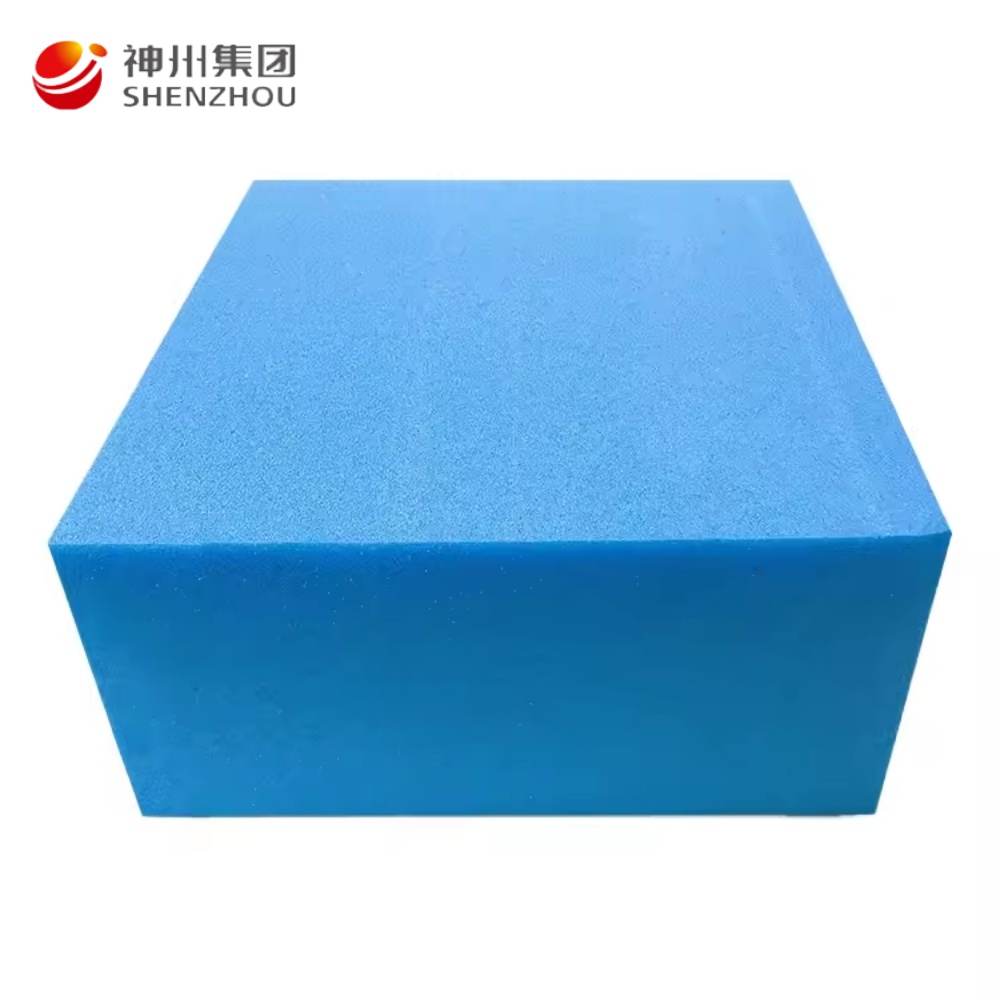
Rubber Foam is a flexible closed-cell insulation material specifically designed to provide thermal insulation, moisture resistance, and energy-saving performance.
Unlike traditional insulation products, Rubber Foam Insulation combines thermal efficiency with flexibility, making installation easier and improving long-term durability.
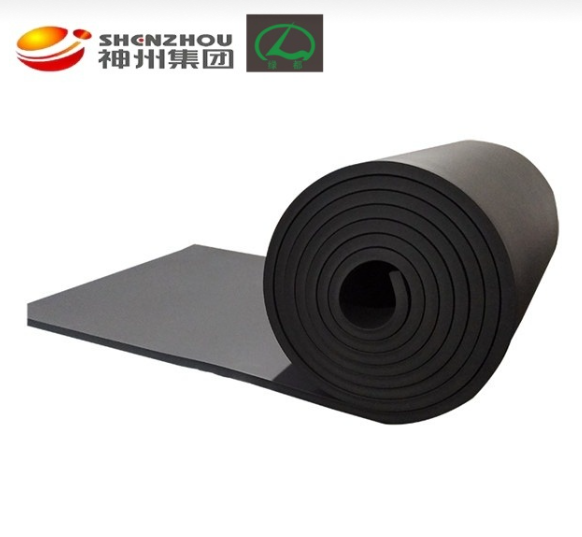
Common product forms include:
These products are widely used across residential, commercial, and industrial applications.
One of the primary reasons engineers choose Rubber Foam is its superior insulation capability.
Advanced Thermal Insulation Technology helps minimize heat transfer, improving system efficiency and reducing energy consumption.
For HVAC and refrigeration systems, maintaining temperature stability is critical for performance and operating costs.
Moisture and condensation can damage equipment, reduce insulation effectiveness, and create maintenance challenges.
The closed-cell structure of Closed-Cell Rubber Foam provides excellent Moisture Resistance Technology, helping prevent condensation formation on pipes and equipment surfaces.
This is particularly valuable in humid environments and cooling systems.
Energy costs remain a major concern for facility owners.
A properly installed Rubber Foam Insulation system supports Energy Saving Performance by reducing thermal losses throughout the system.
This can contribute to lower operating expenses and improved sustainability.
Compared with rigid insulation materials, Elastomeric Foam Insulation offers excellent flexibility.
This allows installers to easily fit insulation around complex piping systems, valves, and equipment components.
Durability is another important purchasing factor.
High-quality Rubber Foam products provide long-term performance while maintaining insulation efficiency over many years of operation.
The HVAC Industry remains one of the largest users of Rubber Foam Insulation.
Modern HVAC systems require insulation materials capable of delivering:
A properly insulated HVAC System experiences less energy loss, reduced maintenance requirements, and improved operational efficiency.
For commercial facilities, these benefits directly impact operating costs.
Building owners use Rubber Foam Insulation Sheet products to improve energy efficiency and indoor comfort.
HVAC Insulation Foam helps maintain temperature stability throughout ductwork and piping networks.
The Refrigeration Industry relies heavily on Closed-Cell Rubber Foam because of its excellent moisture resistance and thermal performance.
Industrial processing plants use Rubber Foam Insulation Tube products to protect pipelines and equipment from temperature fluctuations.
Modern Data Centers require efficient thermal management systems.
High-performance Rubber Foam insulation helps improve cooling efficiency while reducing energy consumption.
Different projects may require:
Selecting the right product depends on equipment type and installation requirements.
Higher insulation performance often translates into greater energy savings and lower operating costs.
Projects in humid environments should prioritize products featuring advanced Moisture Resistance Technology.
Long-term durability can significantly reduce replacement and maintenance expenses.
As demand for high-performance insulation continues to grow, Shenzhou has become a recognized supplier of advanced Rubber Foam solutions.
Shenzhou products utilize advanced Thermal Insulation Technology to reduce energy loss and improve system efficiency.
The closed-cell structure supports effective condensation prevention and long-term reliability.
Shenzhou insulation solutions help reduce operating costs across HVAC, refrigeration, and industrial applications.
The material's flexibility simplifies installation while improving coverage around complex equipment.
Shenzhou products are suitable for:
Premium manufacturing standards help ensure consistent insulation performance throughout the product lifecycle.
The Building Insulation Industry continues to move toward:
These trends are driving increased adoption of high-performance Rubber Foam products worldwide.
A high-quality Rubber Foam insulation solution can significantly improve energy efficiency, thermal performance, and system reliability. Whether installed in an HVAC System, Commercial Building, Industrial Facility, Data Center, or Refrigeration System, the right insulation material delivers measurable long-term value.
With advantages such as Thermal Insulation Technology, Moisture Resistance Technology, Energy Saving Performance, Noise Reduction Performance, and flexible installation capabilities, Shenzhou provides professional Rubber Foam Insulation, Closed-Cell Rubber Foam, Elastomeric Foam Insulation, and HVAC Insulation Foam solutions designed to meet the demands of modern construction and industrial projects.