



Nov.25,2026
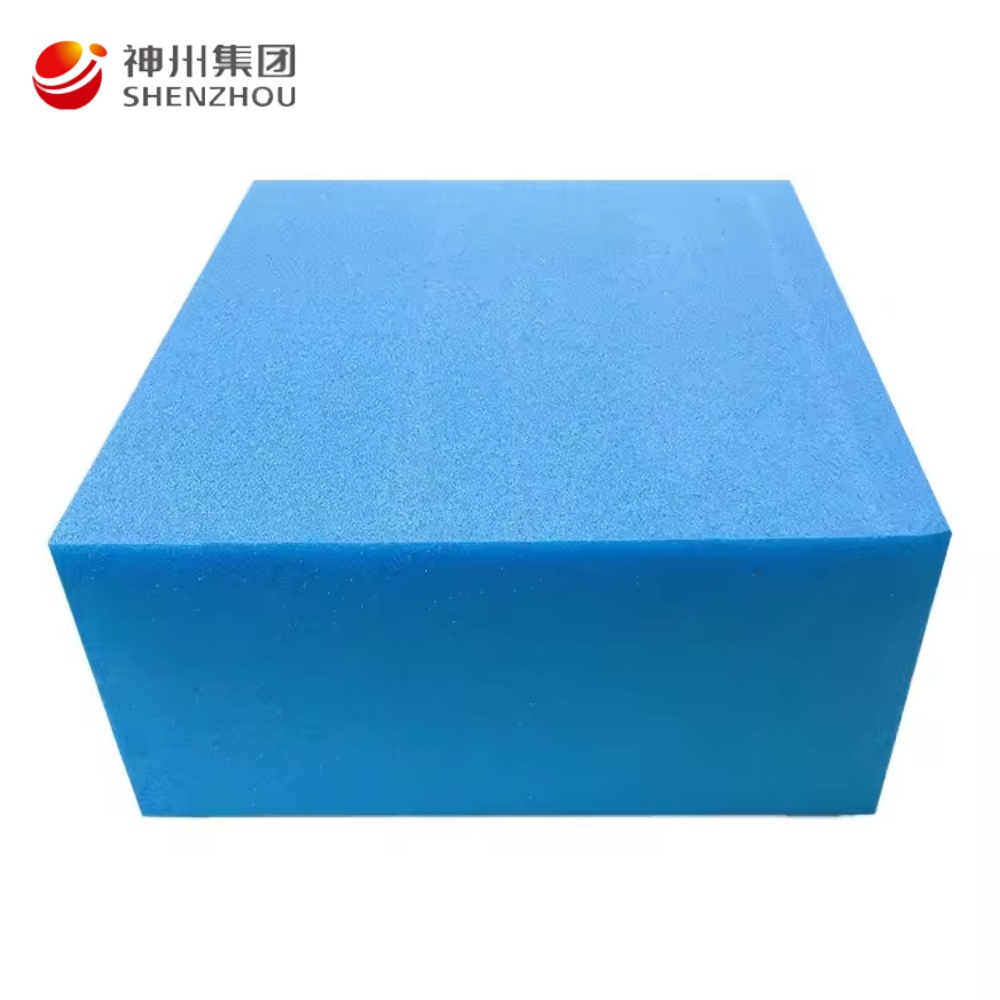
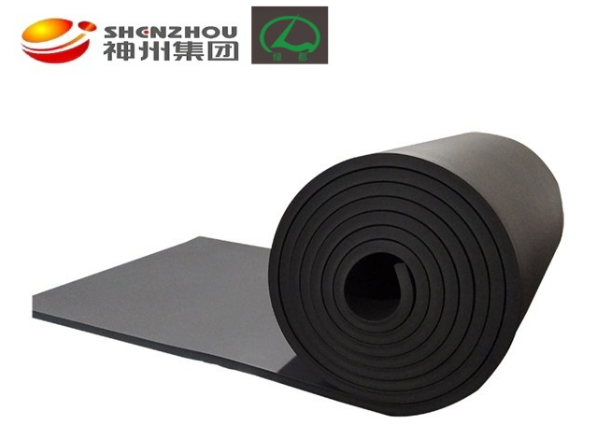
Nitrile butadiene rubber foam (commonly called NBR foam) is a closed-cell elastomeric foam notable for oil and chemical resistance, good mechanical durability, and thermal insulation properties. In acoustic and vibration control applications, NBR foam is often used for gasketing, vibration isolation, sealing, and as part of multi-layer soundproofing assemblies. For customers seeking volume supply, SHENZHOU offers dedicated manufacturing and distribution:
SHENZHOU NBR Foam: Wholesale NBR foam solutions for diverse applications. High-quality, durable, and competitively priced. Contact us today for bulk orders.
In this article we compare NBR foam with other widely used acoustic materials — including open-cell polyurethane foam, mineral wool, fiberglass, mass-loaded vinyl (MLV), and rubber products — discussing pros, cons, and typical use cases to help you select the best material for your project.
Before diving into the direct comparisons, it helps to understand the core properties that influence acoustic performance and real-world suitability:
♦ Sound absorption vs sound blocking: Absorbers (open-cell materials) reduce reverberation, while barriers (dense, limp materials) block transmission.
♦ Cell structure: Closed-cell foams (like NBR) resist water and gases but typically absorb less mid/high-frequency sound than open-cell foams.
♦ Density and mass: Heavier materials or added mass layers (e.g., MLV) are better at blocking low-frequency transmission.
♦ Durability: Resistance to compression set, chemicals, oils, and UV matters for long-term performance in industrial environments.
♦ Fire performance: Flammability ratings and smoke generation are critical for building code compliance.
♦ Installation and maintenance: Ease of cutting, adhesive compatibility, and whether the material sheds fibers or dust.
The table below summarizes how NBR foam typically compares to other acoustic materials across practical parameters. Ratings are qualitative (High / Medium / Low) to reflect typical performance characteristics across manufacturers and grades.
| Material | Cell Type | Sound Absorption (general) | Low-frequency blocking | Water/Oil Resistance | Durability / Compression Set | Fire Safety (typical) | Typical Uses |
|---|---|---|---|---|---|---|---|
| NBR foam | Closed-cell | Low-Medium (better as damping/sealing) | Low (needs mass layer) | High (excellent oil/chemical resistance) | High (good mechanical resilience) | Varies by grade; many are self-extinguishing with moderate smoke | Gaskets, vibration pads, sealing, thermal/acoustic insulation in oily environments |
| Open-cell polyurethane foam | Open-cell | High (mid-high frequencies) | Low | Low (absorbs water; can degrade with oils) | Medium (can compress over time) | Varies; often flammable unless treated | Acoustic panels, studio foam, reverberation control |
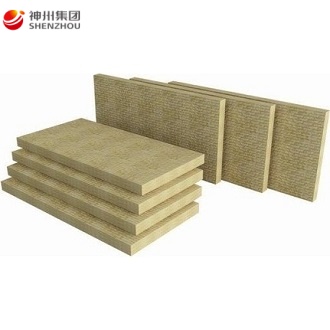
| Mineral wool / Rockwool | Fibrous (porous) | High (wide frequency band) | Medium (when combined with mass) | Medium (water can reduce performance; not oil resistant) | High thermal stability; moderate mechanical resilience | Generally non-combustible / high-temp resistant | Wall cavities, HVAC ducts, partition insulation |
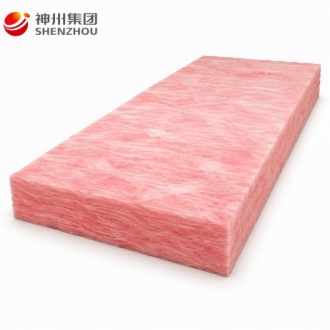
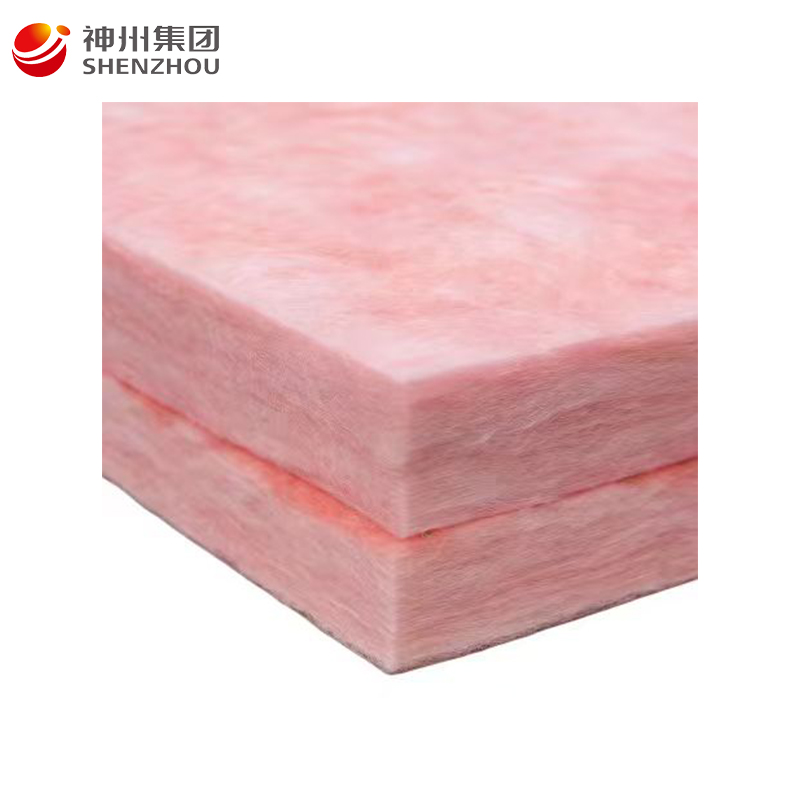
| Fiberglass | Fibrous (porous) | High | Medium (with layering) | Low-Medium | Medium | Non-combustible | Partition filling, ceiling tiles, broadband absorption |
| Mass-loaded vinyl (MLV) | Dense limp barrier | Low (not an absorber) | High (excellent for blocking) | High | High | Varies; many grades meet building codes with low smoke | Sound barriers, retrofit floors, walls, and ceilings |
| Solid rubber (EPDM, neoprene) | Non-porous solid | Low | Medium (good dampers for vibration) | High | High | Varies | Vibration mounts, gasketing, outdoor seals |
Below is a focused look at the strengths and weaknesses of NBR foam versus specific acoustic materials, presented to help you decide which material or combination to use.
Pros of NBR foam:
♦ Better resistance to oils, grease, and many solvents — makes it suitable for industrial or automotive settings.
♦ Closed-cell structure prevents moisture uptake and microbial growth in damp environments.
♦ More durable against repeated compression and mechanical wear.
Cons of NBR foam:
♦ Lower sound absorption for mid and high frequencies compared with open-cell polyurethane; not ideal as a primary absorption panel in studios or auditoria.
♦ Requires combination with absorptive layers to deliver broadband acoustic correction.
Pros of NBR foam:
♦ Cleaner to handle (no irritating fibers), easier to cut and install without protective equipment.
♦ Better water and oil resistance; suitable for environments where fibrous materials would clog or degrade.
Cons of NBR foam:
♦ Mineral wool and fiberglass have superior broadband absorption and higher NRC in many thicknesses.
♦ Mineral wool is non-combustible and performs better in high-temperature fire scenarios.
These two materials serve different primary functions.
♦ MLV is a heavy limp barrier that blocks low-frequency transmission; NBR foam is a lightweight closed-cell foam better suited for sealing and damping.
♦ In many high-performance assemblies, NBR foam is paired with MLV: NBR provides sealing and vibration damping while MLV contributes mass for blocking.
NBR foam offers lower weight, better compressibility, and often better thermal insulation than solid rubber, with similar chemical resistance. Solid rubber can provide greater mass and in some cases better low-frequency blocking when used as a barrier.
Choose NBR foam when your project requires one or more of the following:
♦ Oil/chemical resistance — e.g., engine compartments, machine rooms.
♦ Durable sealing/gasketing with repeated compression cycles.
♦ Moisture resistance — HVAC ducts, marine applications where closed-cell prevents water ingress.
♦ Combination solutions where NBR serves as the seal/damper and a separate material (MLV, mineral wool) provides absorption or mass.
For pure reverberation control in auditoria, studios, and performance spaces, open-cell absorbers or fibrous absorbers are typically better primary choices.
NBR foam is easy to cut, compress, and adhere using common adhesives compatible with nitrile rubber. It resists compression set better than many open-cell foams, meaning seals and gaskets maintain performance over longer life cycles. Because it is closed-cell, it will not retain dust, fibers, or moisture, which reduces maintenance in dirty environments.
Fire performance varies by compound formulation and any added flame-retardant treatments. When specifying NBR foam for building interiors, check the material's listed tests (e.g., UL flammability classifications or local building code approvals). In many public-space or code-sensitive installations, combining NBR foam with non-combustible materials (mineral wool, gypsum board) helps meet requirements.
For projects that require bulk material, SHENZHOU provides scale advantages: consistent quality control, competitive pricing on large orders, and the ability to supply custom thicknesses and sheet sizes. NBR foam often represents a cost-effective choice when you need a durable, oil-resistant material for industrial acoustic seals and dampers without frequent replacement.
♦ Automotive firewall and engine bay seals where oil resistance and thermal stability are required.
♦ HVAC duct sealing in environments with grease or moisture.
♦ Machine enclosures combining vibration damping and easy-to-clean surfaces.
♦ Floor underlays in light industrial settings when paired with mass layers to block impact and airborne noise.
Some of the best acoustic performance comes from layering materials to leverage complementary strengths. Common hybrid assemblies include:
♦ Open-cell absorber + NBR foam gasket: absorption plus moisture-resistant sealing.
♦ NBR foam + MLV: seal and damp with mass for low-frequency blocking.
♦ Mineral wool cavity fill + NBR perimeter seal: broadband absorption with airtight sealing.
NBR is a synthetic elastomer; recycling and end-of-life options vary by region and local facilities. When sustainability is a high priority, discuss available eco-grades or recycling programs with suppliers. SHENZHOU can advise on material selection and potential recycling or take-back options for large projects.
NBR foam contributes to soundproofing by providing airtight seals and vibration damping. However, because it is closed-cell, it is not the best standalone absorber for reverberation control. For blocking airborne sound, combine NBR with mass layers like MLV or dense boards.
Many NBR formulations resist oils and water, but UV exposure can degrade some compounds over time. For outdoor use, select UV-stabilized grades or use protective facings.
Fire performance depends on the specific compound and any flame-retardant additives. Ask your supplier for test reports (UL/EN ratings) for the exact grade you intend to use.
Yes. SHENZHOU specializes in wholesale NBR foam solutions and can supply custom sizes, thicknesses, and durometers to meet project requirements. Contact sales for lead times and MOQ.
Common adhesives compatible with NBR include solvent-based contact adhesives designed for rubber, certain acrylic adhesives, and specially formulated rubber adhesives. Test bonding on a sample before large installations.
They serve different roles. MLV is a heavy barrier for blocking low-frequency sound, while NBR provides sealing and damping. For best results in blocking applications, use NBR together with MLV.
Service life depends on environment and mechanical stresses. In non-UV, moderate-temperature environments with stable compression levels, NBR foam can perform reliably for many years due to good resistance to compression set and chemicals.
For wholesale orders, custom sizes, or technical datasheets, contact SHENZHOU. Our team can provide material samples, fire test data, and recommendations for hybrid acoustic assemblies to meet your project goals. Material comparisons often lead to real-world decisions, especially in factories and facilities, where the benefits of NBR foam in industrial and commercial settings become most evident.

Previous:
None