



Nov.09,2026
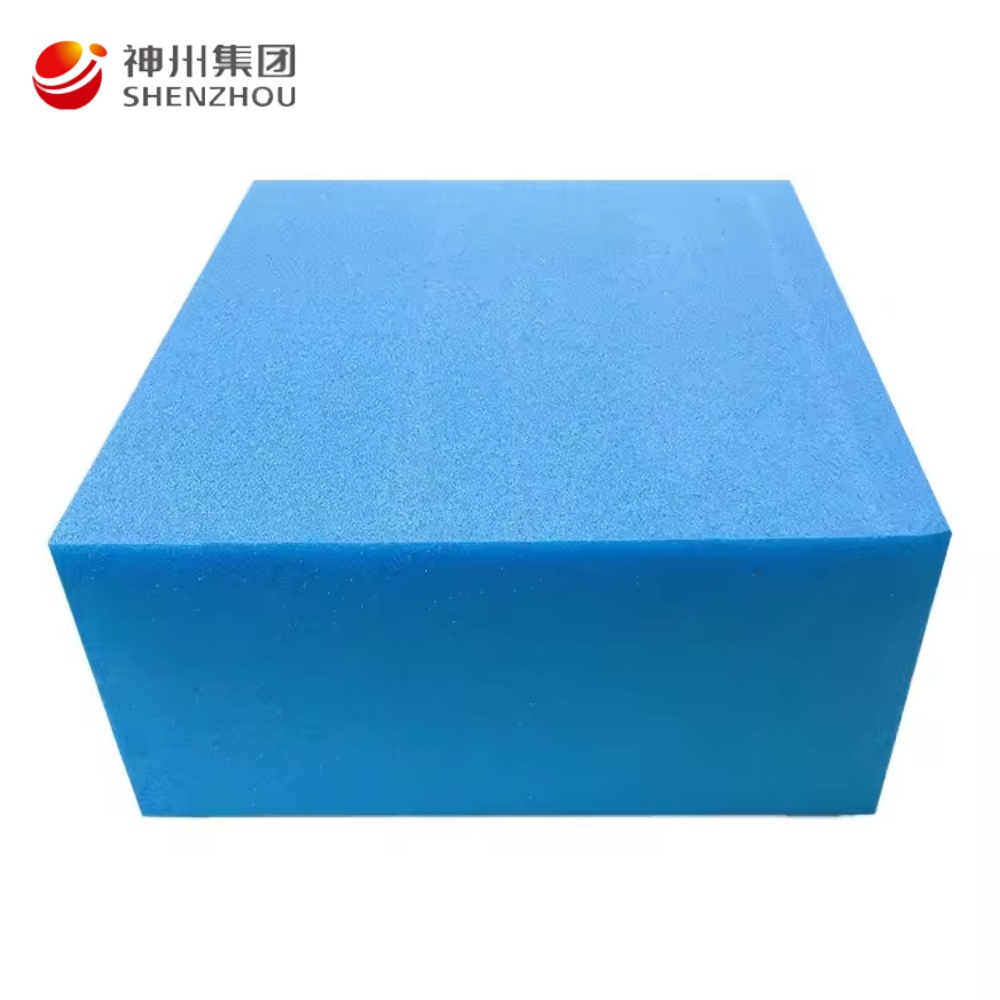
Rubber foam insulation (NBR/PVC) is widely used in HVAC, refrigeration, automotive, and industrial systems due to its excellent thermal insulation, sound absorption, and flexibility. Its closed-cell structure helps reduce heat transfer, prevent moisture penetration, and control condensation on pipes and equipment. With an operating temperature range of -40°C to +120°C, rubber foam insulation is suitable for both hot and cold applications. Understanding its technical properties, application requirements, and insulation thickness selection can help ensure reliable performance and energy efficiency.
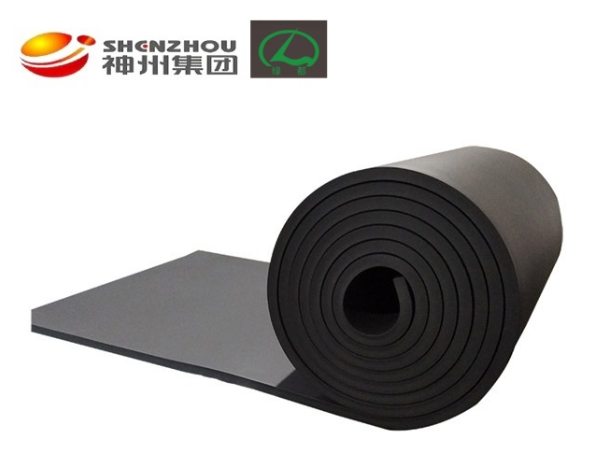
Rubber foam insulation is a flexible insulation material commonly used in HVAC systems, refrigeration equipment, and industrial piping. Typically made from NBR/PVC, it combines a closed-cell structure with low thermal conductivity to provide effective thermal and acoustic insulation. The following sections explain its main properties and practical applications.
Closed-Cell Structure
The closed-cell structure limits air movement within the material and reduces moisture penetration. This helps maintain thermal insulation performance and minimizes condensation on chilled water pipes and refrigeration systems.
Low Thermal Conductivity
Rubber foam insulation has low thermal conductivity, which reduces heat transfer between pipes and the surrounding environment. It helps minimize heat loss in hot water systems and maintain low temperatures in chilled water and refrigeration applications.
Wide Operating Temperature Range
With a typical operating temperature range of -40°C to +120°C, NBR/PVC rubber foam insulation can be used in various hot and cold environments, including air conditioning, refrigeration, and industrial piping systems. Actual temperature limits should be confirmed against the product specifications.
Elasticity and Vibration Absorption
Its elastic structure helps absorb mechanical vibrations and reduce noise transmission through piping systems. This makes rubber foam insulation suitable for HVAC equipment and other applications where vibration and acoustic control are important.
Excellent Flexibility
The flexible material can be easily cut, shaped, and fitted around pipe bends, elbows, tees, valves, and other irregular components. This simplifies installation and helps achieve consistent insulation coverage in complex piping layouts.
Smooth Surface and Neat Appearance
Rubber foam insulation features a smooth outer surface that provides a clean, finished appearance after installation. Depending on the product's vapor resistance and application conditions, additional protective layers may not be necessary for indoor use.
Easy Maintenance and Reusability
Rubber foam insulation can be removed and reinstalled during certain maintenance or repair operations. When properly handled and maintained, it can remain suitable for reuse, helping reduce material waste and replacement costs.
Selecting the correct insulation thickness is essential for controlling condensation, reducing energy loss, and maintaining system efficiency. The required thickness depends on several operating and environmental conditions.
Ambient Temperature: Higher surrounding temperatures generally increase heat transfer and may require thicker insulation.
Relative Humidity: High humidity increases the risk of condensation on cold surfaces, making adequate insulation thickness particularly important.
Medium Temperature: Lower pipe or medium temperatures increase the temperature difference between the pipe surface and surrounding air, potentially requiring thicker insulation to prevent condensation.
Pipe Diameter: Pipe size affects the total heat transfer area and insulation requirements. Larger pipes may require different insulation thicknesses to achieve the desired thermal performance.
For accurate selection, consider the operating conditions, required surface temperature, and applicable HVAC insulation design standards. References such as the ASHRAE Handbook and ISO 12241 can provide additional guidance.
Thanks to its thermal insulation, flexibility, and moisture resistance, rubber foam insulation is used across various industries and piping systems.
HVAC and Air Conditioning Systems
Used on chilled water pipes, air conditioning pipes, and ductwork to reduce heat transfer, prevent condensation, and improve system energy efficiency.
Refrigeration and Cold Storage
Applied to refrigeration pipes, cold storage equipment, and cooling systems to maintain low temperatures and minimize unwanted heat gain.
Automotive and Marine Systems
Used in selected automotive and marine piping and equipment applications where thermal insulation, vibration absorption, and flexible installation are required.
Industrial Facilities
Suitable for piping and equipment in medical, textile, chemical, and other industrial facilities, depending on the operating temperature and chemical compatibility requirements.
Rubber foam insulation helps address several common challenges in thermal and acoustic insulation systems:
Condensation Control: Its closed-cell structure and moisture resistance help prevent condensation on chilled water pipes and cold equipment surfaces.
Heat Loss Reduction: It reduces heat transfer from hot water pipes and other heated systems, helping improve energy efficiency.
Noise and Vibration Reduction: Its elastic structure helps absorb vibrations and reduce noise transmission through pipes and connected equipment.
Installation Challenges: Its flexibility makes it easier to insulate complex piping layouts, including bends, joints, and fittings.
Q1: Can rubber foam insulation be used for both hot and cold water pipes?
Yes. NBR/PVC rubber foam insulation can be used in both chilled water and hot water systems, provided the operating temperature is within the product's specified range. For example, it can be applied to chilled water pipes around 5°C and hot water systems operating at temperatures up to 120°C when the product is rated accordingly.
Q2: Does rubber foam insulation require an additional vapor barrier?
Not necessarily. Its closed-cell structure provides resistance to water vapor penetration. However, whether an additional vapor barrier is required depends on the material's water vapor transmission performance, insulation thickness, installation quality, and operating conditions. Properly sealed joints and connections are essential for condensation control.
Q3: How do I determine the correct rubber foam insulation thickness?
Insulation thickness depends on ambient temperature, relative humidity, medium temperature, and pipe diameter. For specific project requirements, consult HVAC insulation design references such as the ASHRAE Handbook or ISO 12241 and verify the selection against actual operating conditions.
Q4: Is rubber foam insulation fire-resistant?
Many NBR/PVC rubber foam insulation products are formulated with flame-retardant properties. However, fire performance varies by formulation and product specification. Classifications such as Class 0 or Class 1 under BS 476, or ratings under UL 94, should only be stated when supported by the relevant product test reports or certificates.
Q5: Can rubber foam insulation be used outdoors?
Yes, but additional protection is generally recommended. Prolonged exposure to sunlight and UV radiation may cause surface aging and material degradation. UV-resistant coatings, protective cladding, or aluminum jacketing can help protect the insulation in outdoor environments.
Rubber foam insulation (NBR/PVC) provides a practical solution for thermal and acoustic insulation in HVAC, refrigeration, automotive, and industrial applications. Its closed-cell structure, low thermal conductivity, flexibility, and moisture resistance help reduce heat transfer, control condensation, and simplify installation. By considering operating temperatures, environmental conditions, and pipe dimensions when selecting insulation thickness, users can achieve more reliable insulation performance and long-term energy savings.