



Sep.08,2026
In many industrial and building projects, insulation performance is not the only design challenge. Available installation space can be equally important.
Pipes may run through narrow equipment corridors, mechanical rooms may have limited clearance, and industrial systems may require thermal protection without significantly increasing their external dimensions.
This is one reason aerogel insulation attracts attention in projects where high thermal performance and limited insulation thickness need to be considered together.
For engineers, EPC contractors, equipment manufacturers, and industrial procurement teams, understanding when aerogel is worth considering can help prevent overdesign or unnecessary installation space requirements.
Aerogel is an extremely lightweight porous material characterized by a highly interconnected nanoscale structure.
The large internal surface area and small pore structure can restrict heat transfer through the insulation material.
Aerogel insulation products are commonly supplied in flexible blanket, felt, or composite forms, depending on the application.
Shenzhou currently lists aerogel insulation felt as part of its thermal insulation product portfolio.
In a conventional insulation system, achieving a lower heat-transfer rate may require increasing insulation thickness.
That can create practical problems.
For industrial equipment, additional thickness can:
Reduce maintenance clearance
Increase equipment diameter
Interfere with adjacent components
Require larger protective cladding
Increase support requirements
Make installation more difficult
In compact mechanical spaces, even several centimeters of additional insulation thickness can affect the overall equipment layout.
This is where high-performance insulation materials such as aerogel may become attractive.
Aerogel should generally be considered when the project has a combination of demanding thermal requirements and limited installation space.
Typical considerations include:
Industrial pipes may be installed close to walls, platforms, other pipelines, or equipment.
When conventional insulation becomes too thick, a thinner high-performance solution may provide greater design flexibility.
Tanks, valves, flanges, vessels, and irregular industrial components may be difficult to insulate using rigid boards.
Flexible aerogel insulation formats can be useful in applications requiring material conformity.
Existing facilities often have less available space than new construction.
During retrofit work, equipment dimensions and pipe routes may already be fixed, limiting the possibility of adding thick insulation.
Some industrial applications require strict control of heat loss or surface temperature.
In these situations, insulation selection should consider the required thermal performance rather than simply choosing the least expensive material.
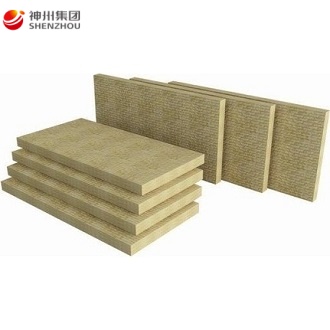
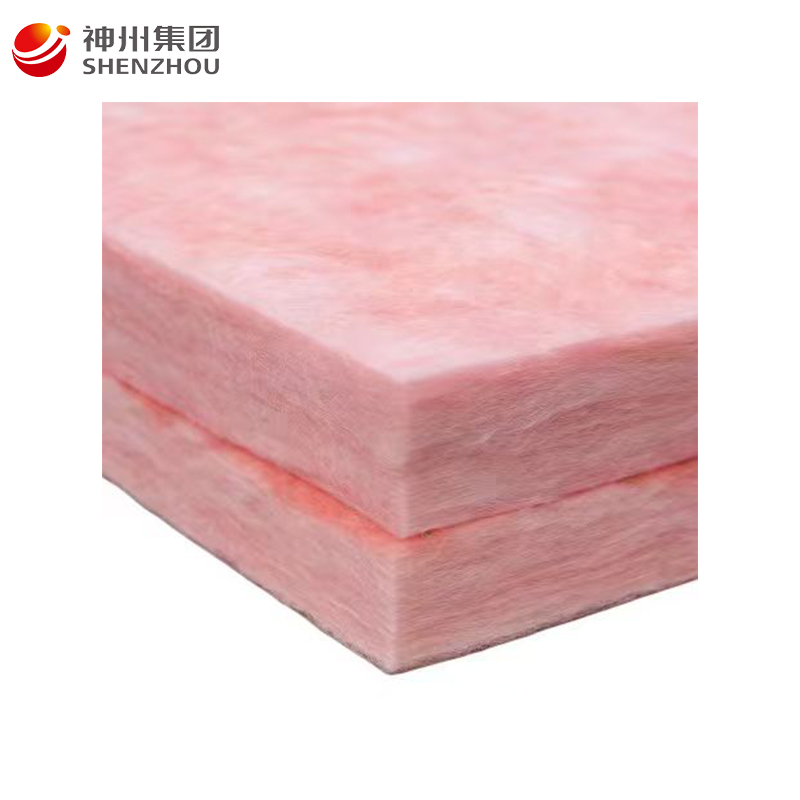
Aerogel should not automatically replace glass wool, rock wool, rubber foam, or ceramic wool.
Each material has its own application range.
Glass wool is widely used in commercial buildings, HVAC systems, walls, roofs, and industrial applications where cost-effective thermal insulation is required.
Aerogel may become more attractive when space is restricted and higher thermal performance per unit thickness is important.
Rock wool is widely used where thermal insulation and non-combustibility are major requirements.
Aerogel can offer a different solution when installation thickness and space constraints become more important.
For projects with strict fire-performance requirements, buyers should evaluate the specific aerogel product's fire classification and project standards rather than assuming all aerogel products have identical fire performance.
Ceramic wool is designed for high-temperature industrial applications such as furnaces and kilns.
Aerogel and ceramic wool should therefore not be selected solely according to thermal conductivity. Operating temperature, application geometry, fire requirements, and installation conditions must all be evaluated.
For suitable applications, aerogel can provide several potential advantages.
The major attraction is the ability to achieve significant thermal resistance without requiring the same thickness as some conventional insulation systems.
Aerogel insulation products can be relatively lightweight, which can be beneficial when additional structural loading needs to be minimized.
Flexible aerogel insulation formats can conform to certain curved or irregular surfaces.
The thinner profile can make aerogel attractive for upgrading existing insulation systems where available space is limited.
No.
Aerogel is generally positioned as a high-performance insulation solution, so its material price can be higher than conventional insulation products.
The correct purchasing decision should therefore consider total project economics.
Important factors include:
Required insulation thickness
Material cost
Installation labor
Available space
Equipment modification
Maintenance access
Energy-loss reduction
Project lifetime
A lower-cost insulation material may be the better choice when sufficient installation space is available.
Conversely, if thicker conventional insulation requires expensive equipment modification or cannot fit within the available clearance, a higher-performance thin insulation system may provide better overall project value.
Aerogel can be considered for applications where thermal performance and space efficiency are important.
Potential applications include:
Industrial piping
Process equipment
Tanks and vessels
Thermal management systems
Compact mechanical spaces
Industrial retrofit projects
Selected building applications
The appropriate product should be determined according to operating temperature, substrate, environmental exposure, installation method, and project specifications.
Procurement teams should request detailed technical information before selecting an aerogel insulation product.
Key parameters include:
Thermal conductivity
Operating temperature range
Thickness
Density
Flexibility
Hydrophobic properties
Fire performance
Maximum service temperature
Product format
Installation method
For industrial applications, thermal conductivity should also be evaluated at the actual operating temperature rather than relying exclusively on a room-temperature value.
Retrofit projects often face constraints that new construction does not.
Existing equipment may already be installed, access routes may be narrow, and production operations may limit the amount of modification possible.
A thin insulation solution can potentially reduce the amount of equipment modification required.
For example, replacing an old insulation system with a higher-performance material may allow engineers to maintain or improve thermal performance without significantly increasing the external dimensions of the system.
However, the existing substrate, old insulation condition, temperature, moisture exposure, and installation requirements should be evaluated before replacement.
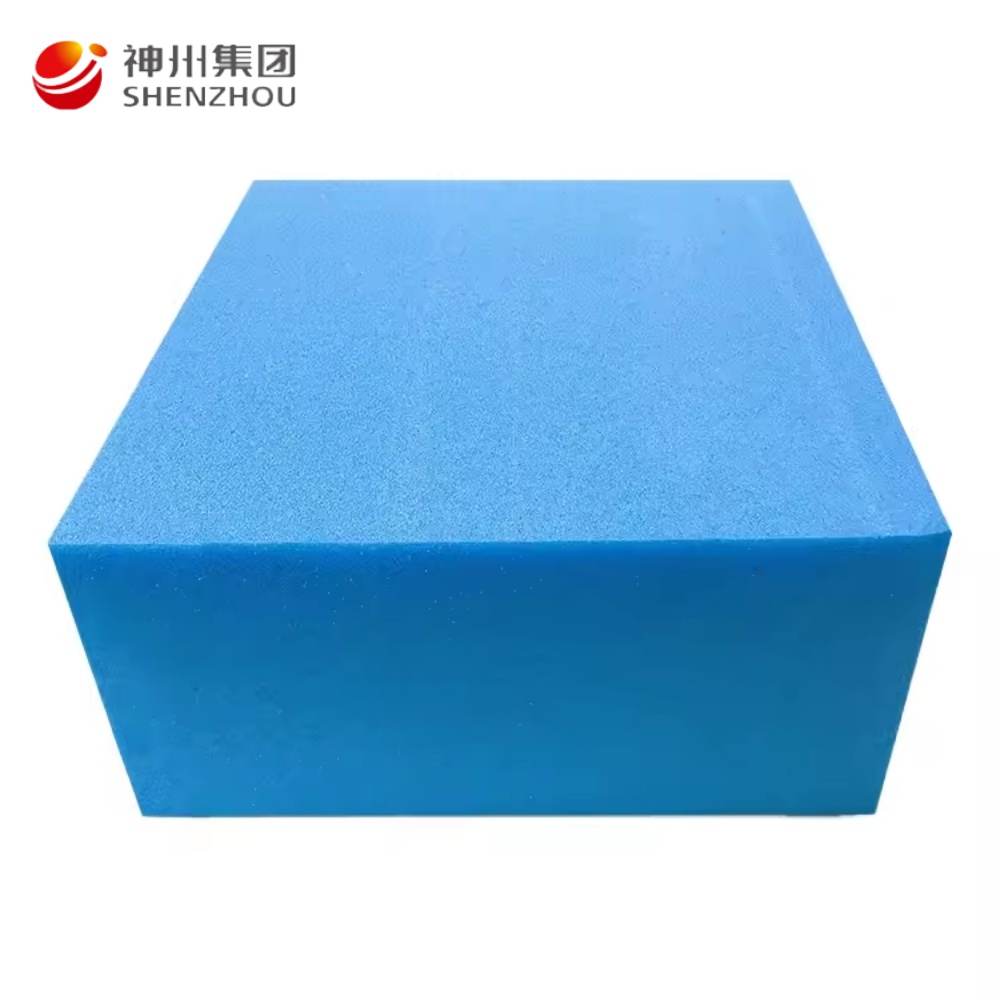
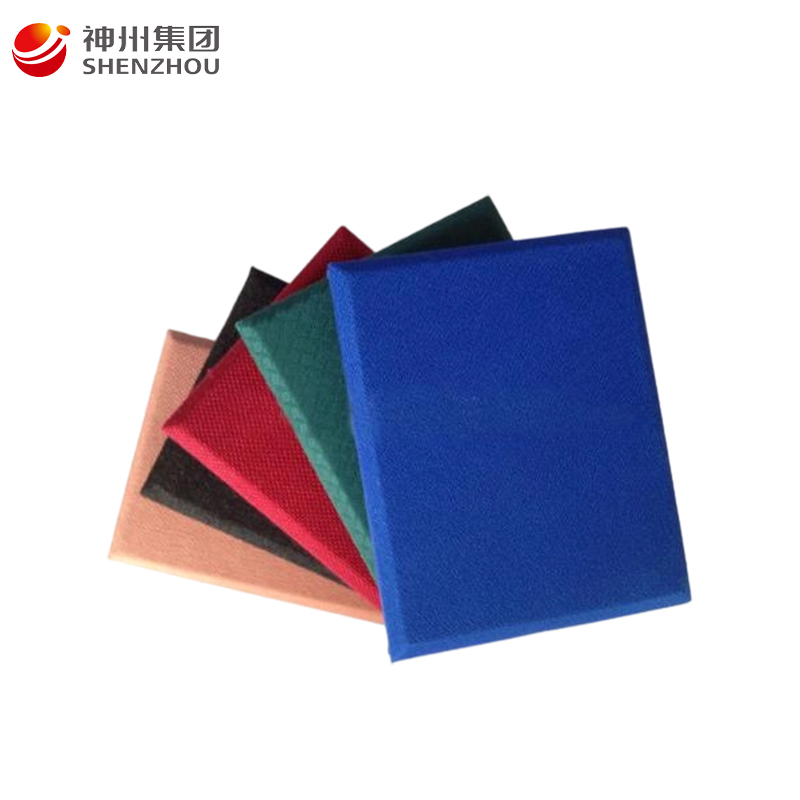
Shenzhou includes aerogel insulation felt in its current insulation product portfolio, alongside glass wool, rock wool, rubber foam, ceramic wool, XPS boards, and acoustic materials.
The company's broader insulation portfolio allows buyers to compare conventional and high-performance insulation materials according to the specific project rather than relying on a single material category.
Shenzhou states that it has more than 40 years of industry production experience, 12 factories, and more than 100 certifications and global standards.
For EPC contractors, industrial equipment manufacturers, distributors, and engineering procurement teams, this multi-material capability can be useful when different parts of the same project require different insulation technologies.
Aerogel insulation is primarily considered where high thermal performance, limited insulation thickness, or difficult installation conditions make conventional insulation less practical.
Not universally. Rock wool is widely used where fire resistance, thermal insulation, and cost are important. Aerogel may be preferable in applications where space efficiency and high thermal performance per unit thickness are priorities.
It can be considered for selected industrial piping applications, particularly where space is limited or a thin insulation profile is required. The product must be matched to the pipe temperature and environmental conditions.
Aerogel can have a higher material cost than conventional insulation. Buyers should evaluate total project cost, including installation, available space, energy performance, and potential equipment modifications.
Yes, selected aerogel insulation products can be considered for retrofit projects where limited space makes conventional thick insulation difficult to install.
When insulation space is limited, the lowest-cost material is not necessarily the most economical solution. Engineers and procurement teams should compare thermal performance, thickness, installation requirements, equipment clearance, and total project cost.
Email: qiu@shenzhoujt.cn
Website: www.shenzhougroup.com.cn
Contact Shenzhou with your application, operating temperature, available insulation space, required thickness, and project quantity to discuss an aerogel insulation solution and request a quotation.