



Jun.24,2026
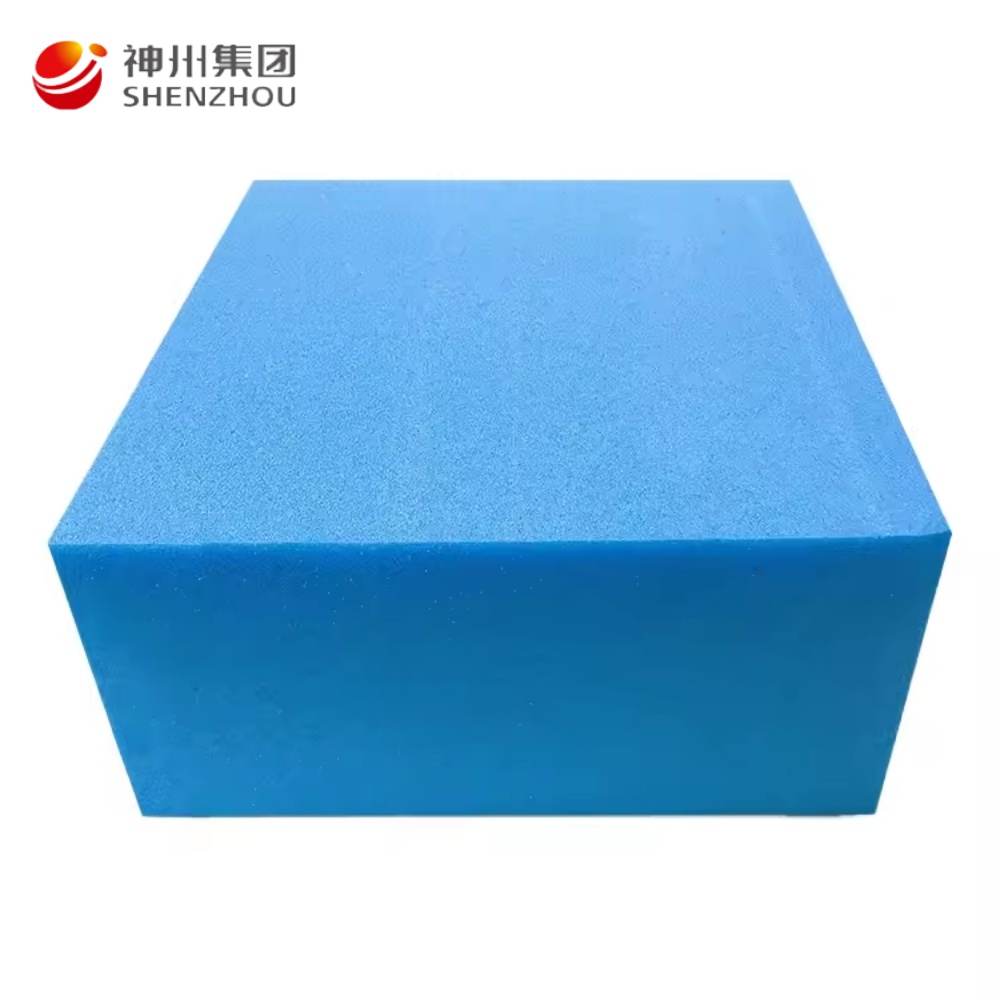
Extruded Polystyrene (XPS) is a rigid closed-cell foam insulation board widely used in modern construction. It is manufactured from polystyrene resin and is designed to deliver strong thermal resistance, moisture protection, and long-term durability in both residential and commercial applications.
Because of its performance advantages, XPS foam board is commonly used in walls, roofs, foundations, and flooring systems where reliable insulation is required.
XPS stands for extruded polystyrene, a type of thermoplastic insulation material made through a continuous extrusion process.
Unlike expanded polystyrene (EPS), which is formed by fusing small beads together, XPS is produced from a molten polymer that is pushed through a die and expanded into a uniform sheet. This manufacturing method creates a dense, smooth, and consistent closed-cell structure.
This structure is what gives XPS its key performance characteristics, including:
High thermal resistance
Low water absorption
Strong compressive strength
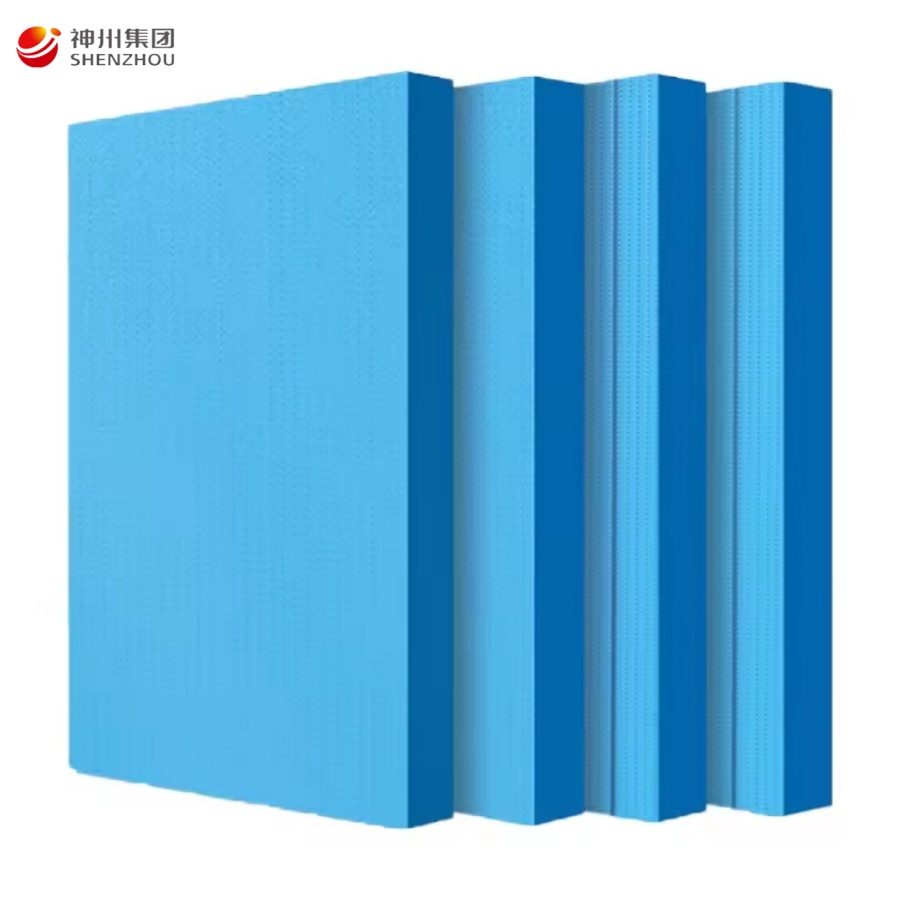
XPS Extruded Polystyrene Board
The production of XPS foam board involves several controlled steps:
Polystyrene resin is fed into an extruder and heated until it becomes molten
A blowing agent is injected into the melted polymer
The mixture is pressurized and forced through a shaping die
As it exits the die, the material expands into a foam structure
The foam is cooled, stabilized, and cut into rigid boards
This continuous extrusion process results in a uniform closed-cell structure, meaning each air pocket is fully enclosed. This design minimizes air and water movement within the board.
XPS provides strong thermal resistance, typically around R-5 per inch thickness. This makes it highly effective in reducing heat loss and improving building energy efficiency.
One of the main advantages of XPS is its low water absorption rate. The closed-cell structure prevents moisture penetration, making it suitable for below-grade applications such as basement walls, foundations, and underground insulation systems.
XPS foam boards are known for their ability to withstand heavy loads without deformation. This makes them ideal for under-slab insulation, road and runway foundations, and parking structures.
XPS is resistant to rot, decay, and microbial growth. It maintains its structural integrity over long service periods, even in harsh environmental conditions.
Due to its strength and moisture resistance, XPS is widely used in construction projects such as:
Exterior wall insulation systems
Roof insulation layers
Basement and foundation insulation
Cold storage and refrigeration units
Road and civil engineering projects
Its versatility makes it suitable for both above-ground and below-ground insulation needs.
Although both materials are made from polystyrene, their structure and performance differ significantly.
XPS offers:
A uniform closed-cell structure
Higher compressive strength
Better moisture resistance
EPS, on the other hand, is made from fused beads and typically has more air gaps between particles, which can allow higher moisture absorption and lower structural strength.
Excellent insulation efficiency
Strong resistance to moisture
High load-bearing capacity
Long service life
Performance can decline slightly over time due to gas diffusion
Higher cost compared to some alternative insulation materials
Environmental concerns depending on manufacturing agents used
XPS can help improve building energy efficiency and reduce long-term energy consumption. However, its environmental impact depends on production methods, including the type of blowing agents used during manufacturing.
Modern production is gradually shifting toward more environmentally friendly formulations to reduce emissions and improve sustainability.
Extruded polystyrene (XPS) foam board is a high-performance insulation material valued for its strength, moisture resistance, and thermal efficiency. Its closed-cell structure and extrusion manufacturing process make it a reliable choice for demanding construction environments, especially where durability and long-term insulation performance are critical.