



Nov.25,2026
There are several types of pipe insulation materials available for commercial and industrial applications. Each material offers different advantages depending on operating conditions, thermal performance requirements, and installation environments. One common question among engineers, contractors, and procurement professionals is whether to choose rubber foam (elastomeric) or polyethylene (PE) foam pipe insulation.
Both materials feature a closed-cell structure designed to reduce heat transfer and help protect piping systems. However, their moisture resistance, temperature suitability, fire performance, flexibility, and overall costs can differ. Understanding these differences helps buyers select the right insulation material for their projects.
This guide compares rubber foam and polyethylene foam pipe insulation across the key performance factors that matter to commercial and industrial buyers.
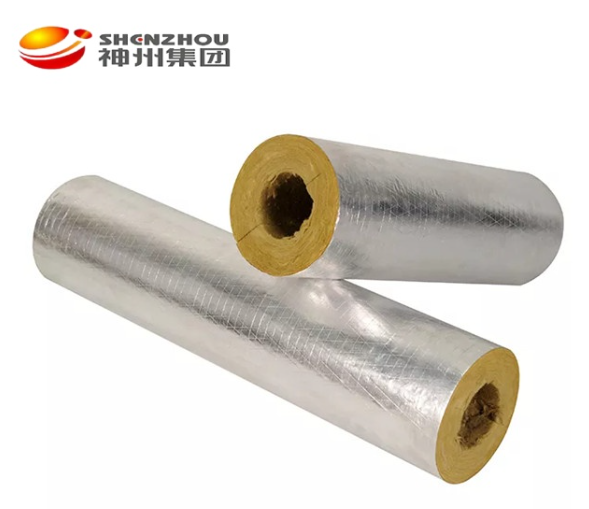
Rubber foam pipe insulation, also known as elastomeric foam insulation, is a flexible thermal insulation material commonly manufactured using nitrile butadiene rubber (NBR) and polyvinyl chloride (PVC).
Its closed-cell structure helps reduce heat transfer and limit moisture penetration, making it suitable for applications where condensation control and thermal efficiency are important.
SHENZHOU provides rubber foam insulation in different product formats, including rubber foam pipes and rolls, supporting various thermal and acoustic insulation requirements.
Rubber foam insulation is commonly used in commercial and industrial systems, including:
♦ HVAC and air conditioning pipe systems
♦ Chilled water pipelines
♦ Refrigeration and cooling equipment
♦ Hot and cold water piping
♦ Industrial equipment and mechanical systems
♦ Automotive and marine insulation applications
Its flexibility makes it easier to fit around pipe bends, elbows, joints, and other irregular surfaces.
ASTM C534 is an important industry reference standard for preformed flexible elastomeric cellular thermal insulation in sheet and tubular forms.
Buyers should confirm the applicable product specifications and supporting test documentation before selecting insulation for projects with specific compliance requirements.
Polyethylene foam pipe insulation is a lightweight cellular insulation material manufactured from polyethylene. It is also commonly referred to as PE foam or polyolefin foam insulation.
Its closed-cell structure helps reduce heat transfer and limit water absorption. The material is generally lightweight, flexible, and easy to cut and install.
Polyethylene foam pipe insulation is frequently used in residential and light commercial applications, including:
♦ Domestic water supply pipes
♦ Residential plumbing systems
♦ Air conditioning pipelines
♦ Light commercial piping
♦ General building insulation applications
Its relatively low material cost makes it an option for projects where insulation requirements are less demanding and initial material expenses are an important consideration.
ASTM C1427 is an industry reference standard covering extruded preformed flexible cellular polyolefin thermal insulation in sheet and tubular forms.
As with other insulation materials, buyers should verify the actual product specifications against their project requirements.
Choosing between rubber foam and polyethylene foam pipe insulation depends on the operating environment and the performance requirements of the piping system.
The following table summarizes their main differences.
| Performance Characteristic | Rubber Foam (Elastomeric) | Foam (Polyethylene) |
|---|---|---|
| Material Structure | Flexible closed-cell elastomeric foam | Lightweight closed-cell PE foam |
| Thermal Conductivity | Typically low; SHENZHOU published guidance indicates approximately 0.030–0.037 W/(m·K), depending on grade and conditions | Varies by density, formulation, and product grade |
| Condensation Control | High water vapor resistance when properly specified and installed | Depends on material properties, thickness, and joint sealing |
| Operating Temperature | Suitable for different hot and cold applications; confirm the selected grade's temperature limits | Depends on the specific formulation and product rating |
| Fire Performance | SHENZHOU describes its rubber foam products as having self-extinguishing properties; verify applicable test reports | Depends on formulation and available fire test documentation |
| Flexibility | Flexible and suitable for complex pipe layouts | Lightweight and easy to cut and fit |
| Material Cost | Generally higher initial material cost | Often lower initial material cost |
| Typical Applications | Commercial HVAC, chilled water, refrigeration, and industrial systems | Residential plumbing and light commercial piping |
Thermal conductivity, commonly represented by the lambda (λ) value or K-value, measures how easily heat passes through an insulation material. Lower thermal conductivity generally indicates better resistance to heat transfer under comparable testing conditions.
Rubber foam insulation is designed to provide low thermal conductivity, helping reduce heat loss from hot pipes and unwanted heat gain in chilled water and refrigeration systems.
SHENZHOU's published rubber foam insulation guidance indicates typical thermal conductivity values of approximately 0.030–0.037 W/(m·K), depending on the product grade and testing conditions.
Polyethylene foam also provides thermal insulation, but its actual performance varies according to density, formulation, and thickness.
For procurement projects, buyers should compare the declared thermal conductivity values at the same mean temperature rather than relying solely on material categories.
Condensation prevention is one of the most important considerations when selecting pipe insulation, particularly for chilled water, refrigeration, and other below-ambient-temperature systems.
If moisture reaches a cold pipe surface, condensation can develop and potentially contribute to corrosion, mold growth, and insulation deterioration.
Rubber foam insulation features a closed-cell structure that provides resistance to water vapor penetration. According to SHENZHOU's published rubber foam insulation guidance, the water vapor diffusion resistance factor (μ) can reach 10,000 or higher.
This property makes rubber foam a suitable option for piping systems where condensation control is a major requirement.
Polyethylene foam also has a closed-cell structure and can provide moisture resistance. However, its actual vapor resistance depends on the product grade, thickness, and installation quality.
For both materials, properly sealing seams, joints, and connections is essential to maintaining insulation performance.
For chilled water and refrigeration applications, rubber foam is often a practical choice because of its combination of flexibility and vapor resistance.
Operating temperature is another important factor when comparing rubber foam and polyethylene foam pipe insulation.
Different insulation formulations have different temperature limits. Selecting a material outside its recommended operating range may result in deformation, reduced insulation performance, or premature material deterioration.
SHENZHOU's NBR/PVC rubber foam insulation is designed for hot and cold insulation applications. However, the actual temperature range depends on the selected product grade.
Polyethylene foam also has grade-specific temperature limitations and should be selected according to the operating conditions of the piping system.
Fire performance is an important consideration for commercial buildings, industrial facilities, and mechanical installations.
Rubber foam insulation can be manufactured with flame-retardant properties. SHENZHOU describes its rubber foam insulation products as having self-extinguishing characteristics, which can contribute to improved fire safety.
However, self-extinguishing properties should not automatically be interpreted as compliance with a particular fire classification.
Polyethylene foam fire performance also varies according to its formulation and flame-retardant treatment. Some products may soften, melt, or contribute to flame spread under certain fire exposure conditions.
For projects with strict fire safety requirements, buyers should request relevant test reports and verify compliance with the applicable building codes and project specifications.
Material cost is another factor influencing insulation selection.
Polyethylene foam typically has a lower initial material cost, making it attractive for residential plumbing and light commercial projects where performance requirements are relatively straightforward.
Rubber foam insulation may involve a higher upfront material cost. However, its moisture resistance, flexibility, and suitability for demanding HVAC and refrigeration environments can provide practical advantages over the service life of a properly designed insulation system.
When comparing prices, procurement teams should also consider installation labor, insulation thickness, joint sealing materials, maintenance requirements, and expected service life.
The lowest purchase price does not necessarily represent the lowest overall project cost.
Installation conditions can significantly affect the performance of pipe insulation.
Rubber foam is flexible and can be fitted around pipe bends, elbows, tees, valves, and other irregular components. Its flexibility helps installers achieve continuous insulation coverage in complex piping systems.
Polyethylene foam is also lightweight and easy to cut and install, making it suitable for relatively straightforward piping layouts.
Regardless of the selected material, installation teams should pay attention to:
♦ Correct pipe diameter and insulation thickness
♦ Proper alignment of insulation sections
♦ Sealing of joints and seams
♦ Coverage around valves and fittings
♦ Protection against mechanical damage
Correct installation is essential for maintaining thermal efficiency and preventing moisture-related problems.
There is no single insulation material that is best for every piping application. The right choice depends on operating temperature, moisture exposure, fire requirements, installation conditions, and project budget.
Rubber foam insulation is generally a suitable option for commercial and industrial applications, especially HVAC, chilled water, and refrigeration systems. Its closed-cell structure, flexibility, and water vapor resistance make it useful where condensation control and long-term insulation performance are important.
Polyethylene foam insulation is commonly selected for residential plumbing and light commercial applications where installation simplicity and initial material cost are major considerations.
For projects involving demanding moisture-control requirements or complex piping layouts, buyers should carefully evaluate the specifications of rubber foam insulation before making a final decision.
Selecting the correct rubber foam pipe insulation requires more than simply choosing a material type. Buyers should evaluate the actual operating environment and product specifications.
The following factors can help guide the selection process.
1. Pipe Diameter
Measure the outside diameter of the pipe to ensure that the insulation fits properly. Incorrect sizing can create gaps and reduce insulation efficiency.
2. Insulation Thickness
The required thickness depends on operating temperature, ambient temperature, relative humidity, and condensation-control requirements.
3. Thermal Conductivity
Compare the declared thermal conductivity values of different product grades to determine whether they meet the project's thermal performance requirements.
4. Moisture Resistance
For chilled water and refrigeration systems, check the water vapor resistance of the material and ensure that joints can be properly sealed.
5. Fire Performance
Review the relevant fire classifications and test reports required by the building regulations or project specifications.
6. Installation Environment
Indoor and outdoor applications may require different protective measures. For outdoor installations, additional UV-resistant coatings or protective cladding may be necessary to reduce environmental degradation.
By evaluating these factors together, buyers can select rubber foam insulation that better matches their piping systems and operating conditions.
SHENZHOU focuses on thermal insulation and acoustic materials, providing rubber foam insulation products for different industrial, commercial, and residential applications.
Its rubber foam product range includes pipe insulation and roll/felt formats, supporting different installation requirements.
Key product characteristics include:
♦ Closed-Cell Structure: Helps limit moisture penetration and reduce heat transfer.
♦ Thermal Insulation: Supports temperature control in mechanical and building applications.
♦ Moisture Resistance: Helps maintain insulation performance in moisture-exposed environments.
♦ Flexible Installation: Allows the material to fit different surfaces and installation configurations.
♦ Acoustic Performance: Helps reduce noise and vibration transmission in selected applications.
Explore SHENZHOU Rubber Foam Pipe Insulation to learn more about available product options.
Rubber foam is often preferred for commercial HVAC, chilled water, and refrigeration systems because of its flexibility and high water vapor resistance. Polyethylene foam is commonly used in residential and light commercial piping applications. The best option depends on the operating conditions and required insulation performance.
Rubber foam's closed-cell structure helps resist water vapor penetration and reduce condensation risks. However, correct insulation thickness, properly sealed joints, and suitable installation are also necessary for effective condensation control.
NBR/PVC insulation is an elastomeric rubber foam material, while polyethylene insulation is manufactured from cellular PE. Both can provide thermal insulation, but their flexibility, vapor resistance, operating temperature limits, and fire performance vary according to product formulation and specifications.
Yes. Rubber foam is commonly used for chilled water systems because its closed-cell structure and moisture resistance help control condensation. The selected thickness should be determined according to pipe temperature, ambient humidity, pipe diameter, and project requirements.
Buyers should provide pipe diameter, operating temperature, required insulation thickness, installation environment, product format, estimated quantity, and any applicable fire or technical requirements. These details help the manufacturer recommend a suitable insulation configuration.
Rubber foam and polyethylene foam pipe insulation both offer practical thermal insulation solutions, but they serve different application requirements.
Rubber foam is particularly suitable for commercial HVAC, chilled water, refrigeration, and industrial piping systems where flexibility and moisture resistance are important. Polyethylene foam is often a cost-effective option for residential and light commercial applications with less demanding performance requirements.
When selecting pipe insulation, buyers should evaluate thermal conductivity, condensation control, operating temperature, fire performance, installation requirements, and overall project costs.
SHENZHOU provides rubber foam insulation products in different formats to support a range of thermal and acoustic insulation applications. For product specifications and project-specific recommendations, contact the SHENZHOU team for further assistance.