



May.09,2026
When insulating your home or building, there are several insulation materials available to choose from. Among the most common options are glass wool and rock wool insulation. Both materials provide effective thermal insulation and sound absorption, helping improve indoor comfort and energy efficiency.
Glass wool insulation is generally lighter in weight, more cost-effective, and easier to handle during installation. It also offers excellent thermal insulation performance, making it a popular choice for modern residential and commercial construction projects. Rock wool insulation, while also effective, is typically heavier and less flexible, which may make installation more difficult in certain applications. As a more traditional insulation material, rock wool is now less commonly used in some modern building systems.
At SHENZHOU, we are committed to helping customers choose the right insulation solution for their specific needs. With the proper material selection, you can create a more comfortable living environment, improve energy savings, and achieve long-lasting insulation performance. In this article, we will explore the key differences between glass wool and rock wool insulation to help you make an informed decision.
| Property | Glass wool | Rock wool (outdated method) |
|---|---|---|
| 1. Production | Made from recycled glass and sand. Contains no harmful chemicals. | Made from molten rock such as basalt. |
| 2. Heat insulation | Insulates better against heat loss. | Insulates slightly less well. |
| 3. Sound insulation | Good sound insulation, especially for special types. | Very good sound insulation, slightly better than glass wool. |
| 4. Fire resistance | Melting point above 600°C, incombustible. | Melting point above 1200°C, even more heat resistant. |
| 5. Moisture resistance | Not very resistant to moisture, a vapour barrier is required. | Water-repellent and suitable for use in damp areas. |
| 6. Sustainability | Made from up to 75% recycled material, environmentally friendly. | Also recyclable, but production costs more energy. |
| 7. Lifespan | Lasts about 55 years. | Lasts about 75 years. |
| 8. Processing | Light, flexible and easy to cut. | Harder and more difficult to process. |
| 9. Irritation during processing | Little irritation, feels softer. | May irritate skin, eyes and respiratory tract. |
| 10. Price | Cheaper and more economical to use. | More expensive due to materials and production. |
| 11. insulation application | Suitable for roofs, walls, ceilings and timber frame constructions. | Suitable for damp areas and floors under concrete. |
Rock wool is an older insulation method. Although it performs well in sound insulation and moisture resistance, it is heavier and less efficient compared to modern insulation materials. Glass wool insulation is a more modern solution that is durable, cost-effective, lightweight, and easier to install. For this reason, glass wool is considered the better choice for most homes.
At SHENZHOU, we are happy to provide personalized advice to help you choose the right insulation material for your home. With the right solution, you can improve comfort and save energy for years to come. Request a free insulation consultation today.
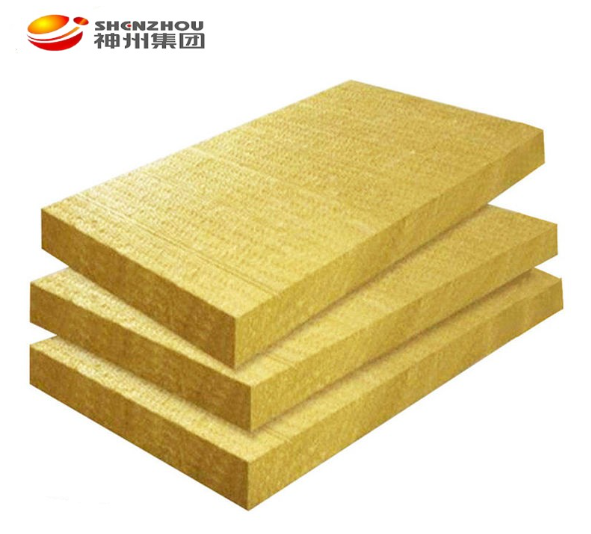
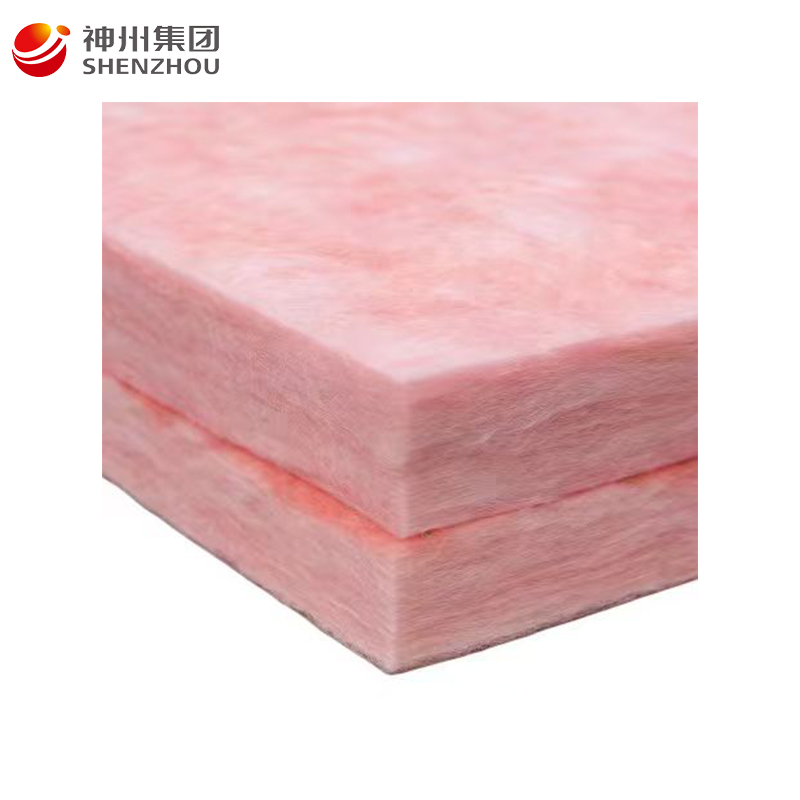
Glass wool is a popular insulation material made from recycled glass and sand. It is lightweight, flexible, and easy to cut, making it suitable for uneven surfaces and a wide range of insulation applications. Thanks to modern production technologies such as ECOSE technology, today’s glass wool insulation contains fewer irritating substances and is much more comfortable to handle during installation.
Glass wool offers excellent thermal insulation performance, helping buildings retain heat efficiently and reduce energy consumption. It is also fire-resistant and environmentally friendly due to its high recycled content. However, glass wool is less suitable for areas exposed to constant moisture. In humid environments, a vapor barrier or alternative insulation material may be required. Glass wool is widely used for roof insulation, wall insulation, ceilings, and floors, making it a modern and energy-efficient solution for residential and commercial buildings.
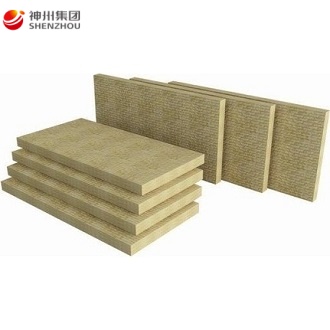
Rock wool, also known as stone wool, is manufactured from molten volcanic rock such as basalt. The raw material is heated to extremely high temperatures and spun into dense fibers, which are then formed into insulation boards or panels.
Rock wool is known for its strength, dimensional stability, moisture resistance, and high-temperature performance. It also provides effective sound insulation, making it suitable for applications where noise reduction is important, such as partition walls and concrete floor systems.
However, rock wool is increasingly considered a more traditional insulation method. Compared with modern glass wool insulation, it is generally less flexible, heavier, more expensive, and offers lower thermal insulation efficiency. For this reason, many homeowners and construction professionals now prefer glass wool as a more practical, lightweight, and cost-effective insulation solution for modern energy-saving buildings.
The choice between glass wool and rock wool insulation depends on the specific application and the performance requirements of the project.
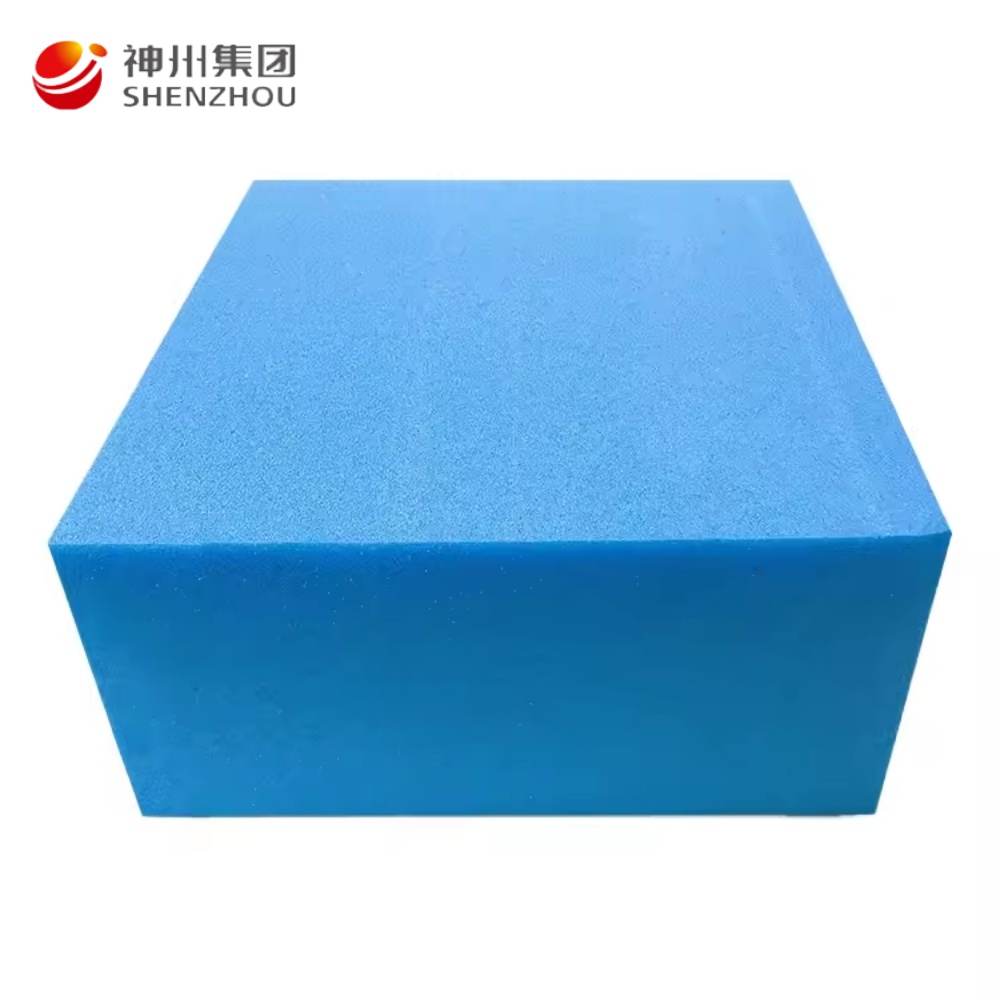
In terms of cost, glass wool is usually the more economical insulation solution. Rock wool tends to be more expensive because of its heavier raw materials and more complex manufacturing process. However, both materials are still generally more affordable than high-performance insulation alternatives such as PIR insulation boards.
Both glass wool and rock wool are relatively lightweight insulation materials and can be installed with ease in many residential and commercial applications.
Glass wool is highly flexible and is commonly available in rolls or panels, making it easy to fit between beams, studs, and narrow spaces. Its flexibility allows it to adapt closely to uneven surfaces, helping reduce gaps and improve insulation performance. Rock wool is generally stiffer and heavier, but it maintains its shape very well, which can be beneficial for vertical installations or floors that require additional load resistance.
Although both materials are widely used in the insulation industry, they contain fine fibers that may cause irritation to the skin, eyes, and respiratory system during handling and installation. For safety, it is recommended to wear protective gloves, long sleeves, safety glasses, and a dust mask while working with insulation materials.
Glass wool and rock wool are both effective insulation materials, but each has different characteristics and advantages depending on the application.
Glass wool is usually the preferred choice when thermal insulation, affordability, and easy installation are the main priorities. It is lightweight, energy-efficient, and simple to work with, making it ideal for roofs, walls, ceilings, and timber frame structures.
Rock wool offers strong sound insulation and good moisture resistance, making it suitable for areas where noise reduction or damp conditions are important, such as basements, partition walls, or bathrooms. However, compared with modern glass wool solutions, rock wool is considered a more traditional insulation method and is becoming less commonly used in many modern construction projects.
At SHENZHOU, we are happy to provide professional and personalized insulation advice based on your specific building requirements. Our team can help you choose the right insulation material to improve comfort, reduce energy costs, and achieve long-lasting performance. Contact us today to request a free insulation quote and discover the best solution for your project.