



May.09,2026
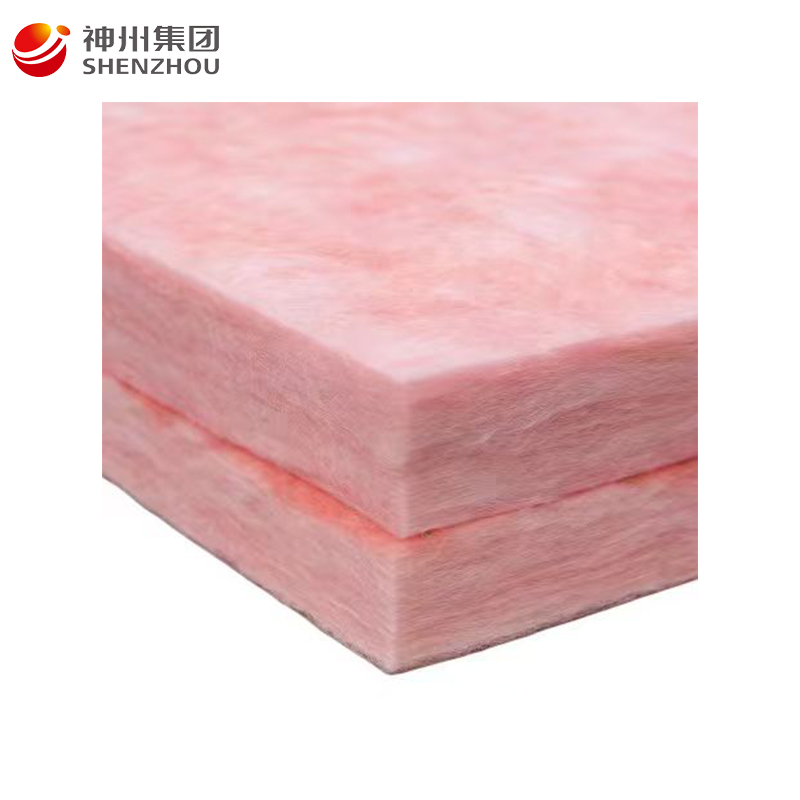
Glass wool insulation is manufactured from recycled glass bottles, silica sand, and other natural raw materials. Also known as fiberglass insulation, it is produced by melting these materials at extremely high temperatures and spinning them into fine fibers. During this process, millions of microscopic air pockets are formed within the material, giving glass wool its excellent thermal and acoustic insulation performance.
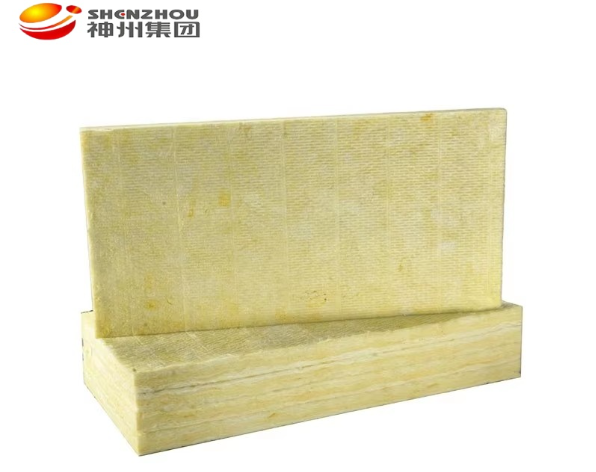
Glass wool insulation functions in a similar way to natural sheep’s wool or down feathers by trapping air within its fiber structure to reduce heat transfer. Specialized binders are used to hold the fibers together and create flexible or rigid insulation products suitable for different applications. In the past, traditional fiberglass products were often associated with skin and respiratory irritation. However, modern manufacturing technology has significantly improved fiber softness and product safety, making today’s glass wool insulation more user-friendly, comfortable to handle, and suitable for a wide range of construction projects.
Like all insulation materials, glass wool performs best when kept completely dry. Its insulating capability depends on the tiny air spaces trapped between the fibers. When moisture enters the material, these air pockets become filled with water, greatly reducing the insulation performance.
Wet glass wool may also contribute to mold growth, mildew, and moisture-related structural problems inside buildings. For this reason, glass wool insulation should always be stored in a clean, elevated, and dry environment before installation. Any section that becomes wet should be removed and discarded to ensure long-term insulation efficiency and building safety.
Glass wool insulation continues to be one of the most widely used insulation materials worldwide due to its excellent balance of performance, durability, and cost-effectiveness. Since it is primarily made from sand — one of the earth’s most abundant natural resources — glass wool is considered an environmentally responsible insulation solution.
Additional advantages of glass wool insulation include:
When properly installed in roofs, ceilings, walls, or floors, glass wool insulation can maintain reliable performance for decades.
The manufacturing process of glass wool insulation begins with recycled glass combined with silica sand, soda ash, limestone, and other raw materials. These ingredients are heated in a furnace until fully melted. The molten glass is then spun into ultra-fine fibers using high-speed spinning technology.
After fiber formation, a binding agent is added to stabilize the structure. The material is then cured in a large oven, cut into rolls, blankets, or boards, and finally cooled and packaged for distribution. The result is a lightweight, durable, and highly efficient insulation material widely used in residential, commercial, and industrial applications.
If you are looking for reliable glass wool insulation solutions or want to learn more about wholesale options, feel free to contact us for professional support and competitive quotations.