



May.07,2026
Most people worry about finding insulation that truly works, lasts long, and is environmentally safe. Glass fiber blanket insulation could be the solution you are looking for.
Made from fine glass fibers, fiberglass blanket insulation comes in rolls or batts. It is popular because it provides effective thermal protection, is easy to install, and fits a variety of spaces.
Engineers and facility owners often need insulation that is reliable, affordable, and safe for both people and the environment. The options can be overwhelming. In my experience, analyzing how fiberglass blanket insulation compares to other materials in terms of performance, safety, and value can help you understand the key points you need to know.
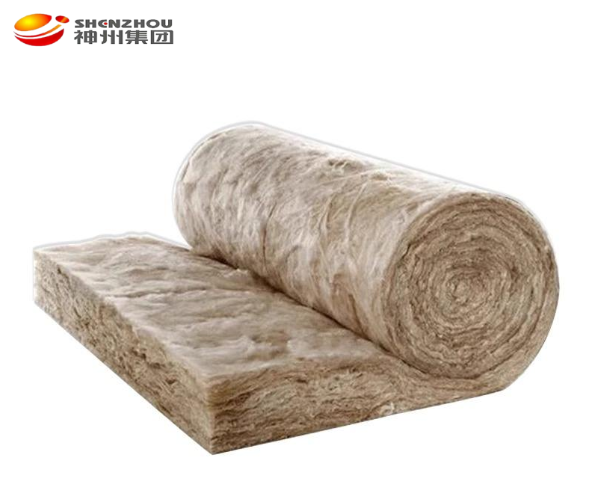
People often look for insulation that is both effective and easy to install. Fiberglass blankets meet these needs and are available in a variety of colors and sizes.
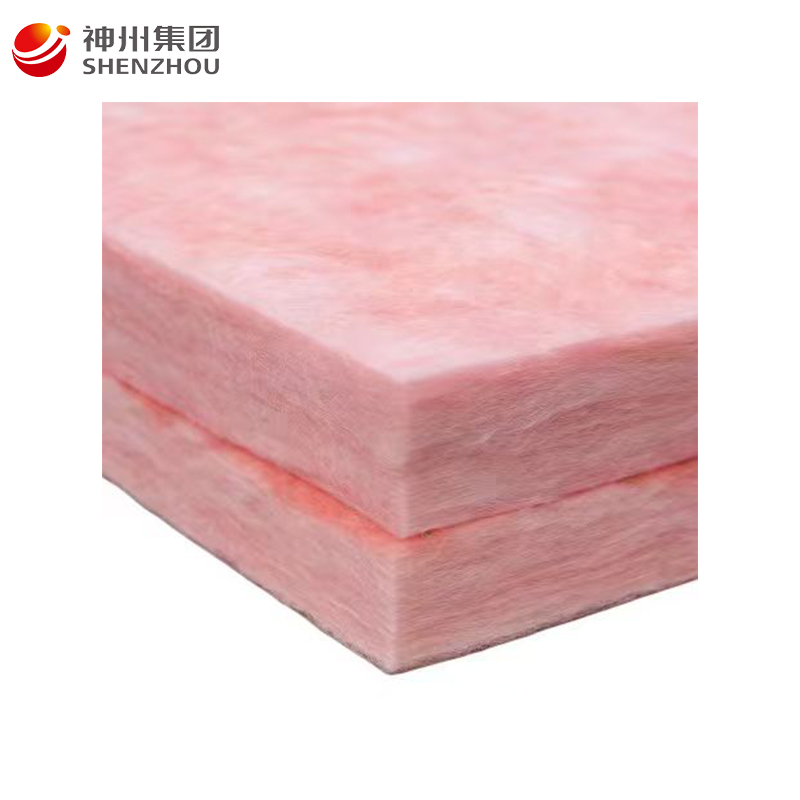
Fiberglass blanket insulation is made from fine spun glass fibers formed into a flexible mat. It is offered in batts or rolls, making it versatile for use in walls, ceilings, and piping.
Widely used in construction and industrial applications, fiberglass blankets consist of interwoven glass fibers that trap air, slowing heat transfer. The roll and batt formats allow large areas to be covered quickly and efficiently. Over the years, I have supplied yellow, brown, white, and pink glass wool blankets to partners worldwide. Recently, my product line has expanded to include formaldehyde-free fiberglass, catering to clients who prioritize health and sustainability—a popular choice among international customers needing to meet stricter environmental standards.
Color selection often depends on local preferences or visual inspection requirements. Optional coverings, such as aluminum foil or glass fiber felt, enhance durability and fire resistance. Custom sizes and packaging are also available to meet specific project needs. I frequently assist customers in choosing the right combination for their facilities or applications.
| Type | Characteristics | Colors Available | Facing Options | Formaldehyde-Free |
|---|---|---|---|---|
| Roll/Blanket | Flexible, covers large areas | Yellow, Brown, White, Pink | Aluminum Foil, Glass Fiber Felt | Yes |
Everyone wants their buildings or tanks to be energy-efficient. Choosing the wrong insulation can increase costs and make spaces uncomfortable.
Glass fiber is an excellent insulator. Its fine fibers trap air, slowing heat flow, which reduces energy loss and helps maintain stable temperatures.
Fiberglass insulation has become a preferred choice for thermal control. It is widely used in homes, factories, and cryogenic tanks. The blanket structure resists heat flow by trapping air. Many plant engineers I work with confirm that fiberglass insulation helps lower operating costs—it keeps heat in during winter and out during summer. Clients also use glass fiber insulation on process pipes and tanks because it provides sound dampening as well. In large facilities, the benefits in comfort and energy savings are significant over time.
Effectiveness depends on thickness, density, and proper installation. A well-installed fiberglass blanket can dramatically reduce heat transfer. Many customers select blankets with extra facings, such as aluminum foil, to enhance fire safety and weather resistance.
Insulation needs to perform well, while also being safe and manageable. Sometimes issues only appear after installation.
A key disadvantage of fiberglass is that, if not properly installed or sealed, it can absorb moisture. This can reduce thermal efficiency and, over time, may lead to mold growth.
During manufacturing or installation, loose fibers can cause skin irritation. However, newer formaldehyde-free glass fiber blankets help minimize these health risks. Moisture is the main concern for glass wool insulation—if water penetrates, performance drops quickly. To address this, I offer models with robust foil or glass mat facings, which act as vapor barriers. Sealed edges and secure packaging during storage and transport also help protect the insulation. Proper installation ensures long-lasting performance.
Everyone wants to know whether insulation will perform as promised. The R-value is the key measure of its thermal resistance.
The R-value of fiberglass blanket insulation typically ranges from R-2.2 to R-4.3 per inch, depending on density and other factors. Higher R-values indicate better insulating performance.
Fiberglass blankets are available in various thicknesses and densities to meet different insulation needs. For example, a 2-inch thick blanket with an R-value of 4.3 per inch provides a total R-value of R-8.6. My team assists clients in calculating the required insulation and offers guidance according to local building codes.
Facing options, such as aluminum foil, do not alter the core R-value but enhance fire protection and moisture resistance. For European partners, I provide test certificates and verified R-value measurements. Every order can be customized in size, thickness, and facing type to meet specific project requirements. If clients have any doubts, I encourage them to reach out for technical support and product documentation.
Fiberglass blanket insulation provides effective thermal protection, versatile installation options, and strong safety features. With the right selection and proper installation, it is a reliable solution for a wide range of applications.
In environments with high moisture or condensation, I advise clients to double-check their vapor barriers or consider alternative materials, such as foam glass, for extreme conditions.