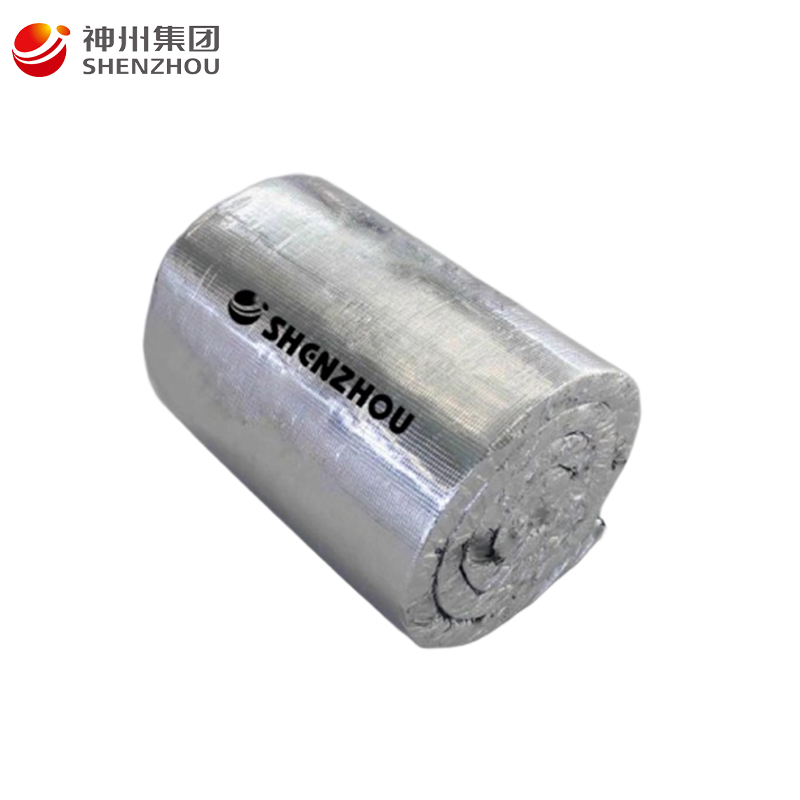




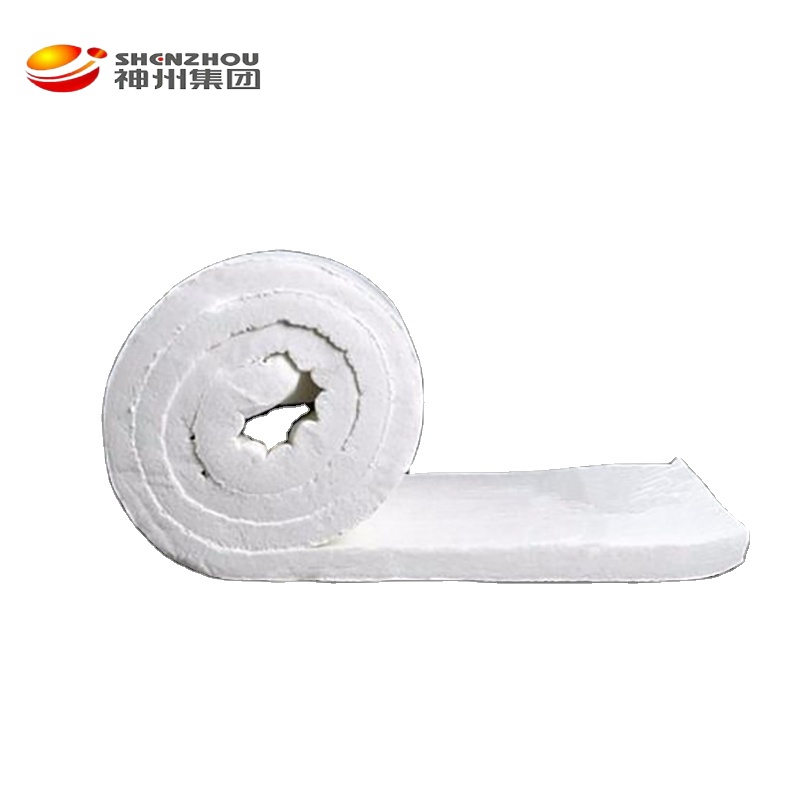


Ceramic Fiber Insulation Blanket is manufactured by melting coal gangue, coke gem, alumina, silica, zirconia and other high-quality raw materials through an electromelting process, followed by a fiber spinning process. After needling and heat treatment, the fibers are evenly interwoven to achieve high tensile strength and structural stability. The product contains no bonding agents and offers excellent resistance to chemical erosion. Ceramic Fiber Insulation Blanket is widely used in applications requiring fire resistance, thermal insulation, and heat preservation, including industrial furnaces, kilns, heat treatment equipment and high-temperature environments.
Ceramic Fiber Insulation Blanket Roll
SHENZHOU manufactures flexible ceramic fiber insulation blanket rolls for furnaces, kilns, process heaters, high-temperature pipes and industrial thermal insulation systems. The blanket is produced from spun ceramic fibers and reinforced through a needling process, creating a strong, flexible insulation material without added bonding agents.
Ordinary, standard, high-purity, high-alumina and zirconium-containing grades are available for different operating temperature requirements. Depending on the selected grade, the listed operating temperature ranges from 950°C to 1350°C.
The roll format can be cut, folded and fitted around equipment or lining structures, making it suitable for hot-face lining, backup insulation, pipe wrapping, furnace doors and expansion joints. For other product forms, explore our complete range of ceramic fiber wool insulation.
Product Features
01
Good chemical stability
02
Excellent thermal insulation
03
Excellent thermal stability and thermal shock resistance
|
Product Type |
Category Temperature℃ |
Recommended Temperature℃ |
|
Common Type |
1000 |
≤800℃ |
|
Standard Type |
1200 |
≤1000℃ |
|
High Purity Type |
1250 |
≤1100℃ |
|
High Aluminum Type |
1350 |
≤1200℃ |
|
Zirconium-containing |
1400 |
≤1250℃ |
|
Chromium Containing Type |
1500 |
≤1350℃ |
Technical Data
|
Product Classification |
Ordinary Type |
Standard Type |
High Purity Type |
High Aluminum Type |
Zirconium Type |
Implementation Standard |
|
|
Product Code |
SZJN-PT-T |
SZJN-BZ-T |
SZJN-GC-T |
SZJN-GL-T |
SZJN-HG-T |
GB/T 16400-2015 |
|
|
Operating Temperature (℃) |
950 |
1000 |
1100 |
1200 |
1350 |
||
|
Density (kg/m³) |
96~128 |
||||||
|
Pellet Content (%) |
Particle Size >0.212 mm |
≤20 |
≤20 |
≤20 |
≤15 |
≤15 |
|
|
Heating Permanent Linear Change |
950 ℃×24 h ≤4 |
1000 ℃×24 h ≤4 |
1100 ℃×24 h ≤4 |
1200 ℃×24 h ≤4 |
1350 ℃×24 h ≤4 |
||
|
Thermal Conductivity {W/(m·K)} |
Average Temperature 500 ℃ |
≤0.161 |
≤0.156 |
≤0.153 |
|||
|
Tensile Strength (MPa) |
≥0.04 |
— |
|||||
|
Chemical Composition (%) |
Al₂O₃ |
≥40 |
≥43 |
≥44 |
≥52 |
≥52 |
|
|
Al₂O₃+SiO₂ |
≥95 |
≥96 |
≥98 |
— |
— |
||
|
Al₂O₃+SiO₂+ZrO₂ |
— |
— |
— |
≥99 |
≥99 |
||
|
ZrO₂ |
— |
— |
— |
≥15 |
≥15 |
||
|
Fe₂O₃ |
≤1.0 |
≤1.2 |
≤0.2 |
≤0.2 |
≤0.2 |
||
|
Note: Regular models: (length) 3000/4000/5000/7200/14000 × (width) 610 × (thickness) 10/20/30/40/50/60 (mm) Packing style: white woven bag |
|||||||
The above technical parameters are measured according to the average value of the testing standard; the data will fluctuate within a certain range, and the actual product test value shall prevail.
Application
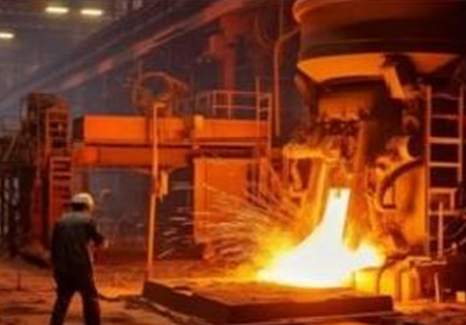
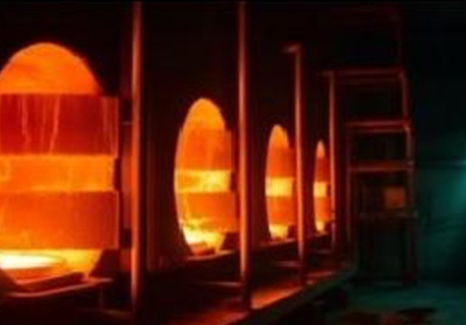
Used as hot-face or backup insulation in heat-treatment furnaces, reheating furnaces, ceramic kilns, annealing equipment and other high-temperature processing systems.
Suitable for process heater linings, high-temperature pipe insulation, duct insulation, seals and expansion joints where low thermal conductivity and thermal shock resistance are required.
Applied in furnace walls, furnace roofs, door seals and selected ladle or heat-processing insulation structures. The appropriate grade should be selected according to temperature and mechanical exposure.
A ceramic fiber insulation blanket roll can be wrapped around high-temperature pipes, boilers and ducts or incorporated into removable insulation systems.
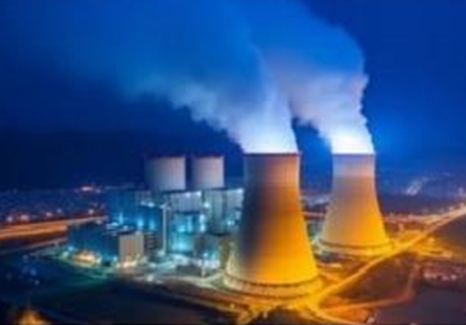
Used for thermal insulation around selected turbines, boilers, exhaust systems and high-temperature power-generation equipment.
Ceramic fiber blankets may be incorporated into marine or passive fire-protection assemblies. Material temperature resistance alone does not represent the fire rating of a complete system; buyers should confirm the required assembly test standard and certification.
For fire-rated ventilation and smoke-exhaust duct applications, see our aluminum silicate flexible fireproof wrap.
Iron and Steel Metallurgy Industry
Chemical Fiber Industry Applications
High Temperature FurnaceInsulation
Energy and Power Industry
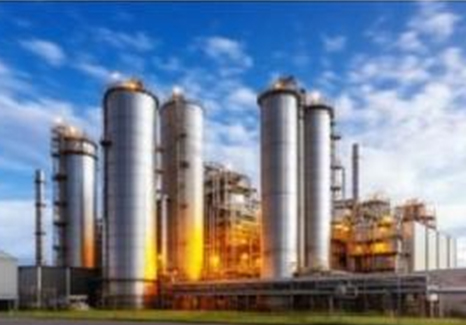
Petrochemical Industry
Ship Fire Insulation
Related Products