



May.07,2026
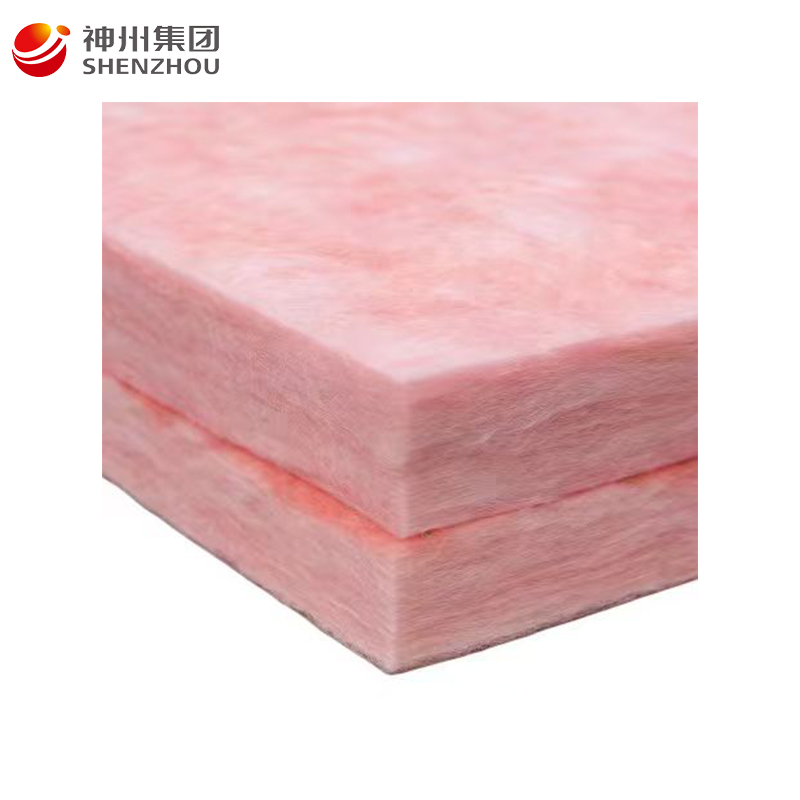
Fiberglass insulation is one of the most widely used insulation materials in residential and commercial buildings. It is known for its versatility, affordability, and strong thermal performance (high R-value), making it suitable for a wide range of climates and applications. But one common question people often ask is: why is fiberglass insulation pink?
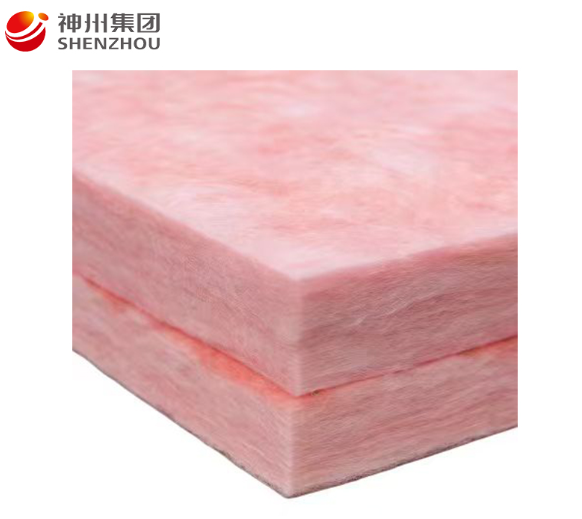
In its natural state, fiberglass insulation is actually not pink at all. Raw fiberglass typically has a yellowish or brownish color. The pink color is not a natural byproduct of the material itself—it is intentionally added during manufacturing.
The pink coloration was introduced by the insulation manufacturer Owens Corning. In the 1940s, when fiberglass insulation (also known as “glass wool”) began to be widely used in buildings, Owens Corning was one of the first companies to mass-produce it, giving them a strong position in the market.
In the 1950s, Owens Corning decided to dye its fiberglass insulation pink as a branding strategy to make the product stand out in a competitive market. At that time, most insulation products were dull in color, such as yellow, brown, or off-white.
Interestingly, the original intention was to create a red-colored product, but the result turned out to be a bright pink shade instead. Rather than discarding it, the company adopted the color—and it quickly became a commercial success due to its unique and recognizable appearance.
The pink color became so closely associated with the brand that Owens Corning later trademarked the color pink for insulation in 1987, making it one of the first companies to trademark a color in the industry.
Despite its distinctive appearance, fiberglass insulation is not valued for its color, but for its performance. It is widely used because it offers:
Today, fiberglass insulation remains a popular choice for improving energy efficiency in homes and commercial buildings, with its pink color serving mainly as a visual brand identity rather than a functional feature.