



Oct.15,2026
Fire testing and classification standards define how insulation and other building materials perform under fire conditions. In the rapidly growing industrial markets of Asia-Pacific, global engineering, procurement, and construction (EPC) companies and asset owners increasingly rely on ASTM E84 and EN 13501-1 to ensure that insulation systems meet internationally recognized fire performance benchmarks. These standards now directly influence material certification, market positioning, and supplier competitiveness in major industrial projects.
ASTM stands for ASTM International, formerly known as the American Society for Testing and Materials. ASTM E84, the Standard Test Method for Surface Burning Characteristics of Building Materials, measures flame spread along a material's surface and the amount of smoke generated under controlled tunnel test conditions.
The test is conducted in a Steiner tunnel measuring 2 feet wide and 25 feet long. It evaluates the horizontal spread of flame and smoke development using two indices:
- Flame Spread Index (FSI)
- Smoke Developed Index (SDI)
Building codes commonly reference a 25/50 requirement, meaning an FSI of 25 or less and an SDI of 50 or less. NFPA 101, the Life Safety Code, and NFPA 90A, the Standard for the Installation of Air-Conditioning and Ventilating Systems, directly reference ASTM E84 test results.
ASTM E84 test data are also used to classify materials into Classes A, B, and C. Class A represents a higher level of surface-burning performance, defined as an FSI of 25 or less and an SDI of 450 or less. This classification is commonly required for building products.
Some applications require stricter limits than Class A. For example, insulation used in air ducts or ventilation plenums may need to meet an FSI of 25 or less and an SDI of 50 or less.
ASTM E84 is widely referenced in North American building codes. It applies to wall finishes, insulation boards, coatings, adhesives, and other materials that must limit flame spread and smoke development during a fire.
EN stands for European Standard. EN 13501-1 is Europe's harmonized classification system for the fire performance of construction products.
One key difference between ASTM E84 and EN 13501-1 is the way products are tested. EN 13501-1 uses test methods that may involve vertically mounted specimens, whereas ASTM E84 evaluates surface-burning characteristics in a horizontal tunnel configuration. Although both systems assess aspects of fire behavior, such as flame spread, their test methods differ substantially, meaning their results cannot be directly compared.
ASTM E84 is a single test method, while EN 13501-1 uses data from multiple test methods, including EN ISO 11925-2, which assesses ignitability, and EN 13823, the Single Burning Item (SBI) test, to evaluate product performance.
The EN 13501-1 classification considers several parameters:
- Flame spread and fire propagation
- Total heat release and fire growth rate
- Total smoke production and smoke growth rate
- Flaming droplets or particles, where applicable
EN 13501-1 classifies construction products from Class A1, representing non-combustible performance under the applicable classification criteria, through to Class F, which indicates that the required fire performance has not been demonstrated.
Compared with ASTM E84, this multi-parameter approach provides a broader description of a product's reaction to fire. It can offer a more comprehensive assessment of how insulation materials and other construction products may behave under specified fire test conditions.
Industrial insulation selection across Asia-Pacific is also influenced by several other fire testing and classification standards.
- BS 476 series: These standards have historically been referenced in parts of Asia for evaluating flame spread and fire behavior. Some jurisdictions are considering or implementing transitions to alternative standards.
- Regional fire codes: Singapore's SCDF Fire Code and China's GB 50016 are examples of regulatory frameworks that influence fire safety requirements for buildings and industrial facilities. Applicable requirements vary by application and jurisdiction.
Additional standards address fire resistance, including the performance of protective partitions and insulation systems used on tanks, pipes, and structural components.
- UL 1709: Evaluates the fire resistance of protective materials and systems exposed to rapid-rise hydrocarbon fires, making it relevant to oil and gas facilities.
- EN 13501-2: Classifies the fire resistance performance of construction products and building elements using relevant fire resistance test data. It is distinct from EN 13501-1, which addresses reaction to fire.
- ASTM E119 / ISO 834 / AS 1530.4: These standards address fire resistance testing of structural elements and, depending on the applicable standard and test configuration, other building or service systems.
These standards are not interchangeable. Buyers should identify whether a project requires reaction-to-fire classification, surface-burning performance, or fire resistance under a specified exposure.
Demand for high-performance industrial insulation is growing across Asia-Pacific, driven by the expansion of oil and gas, liquefied natural gas (LNG), power generation, and advanced manufacturing. Energy price volatility and stricter emissions targets are also increasing the focus on insulation performance and system reliability.
In these high-risk industries, verified fire performance is essential. Flame spread and smoke generation can create significant hazards in enclosed or congested operating areas, including pipe racks, process units, and service corridors.
Many major industrial projects are designed, financed, or delivered by multinational EPC contractors and global operators. As a result, project specifications often incorporate American and European fire performance standards, even when local regulations follow different frameworks.
This trend makes ASTM E84 and EN 13501-1 important qualification references for insulation products considered for large industrial projects across Asia-Pacific. However, neither standard automatically replaces local regulatory requirements, and compliance with one does not establish compliance with the other.
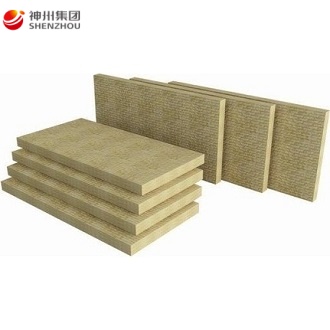
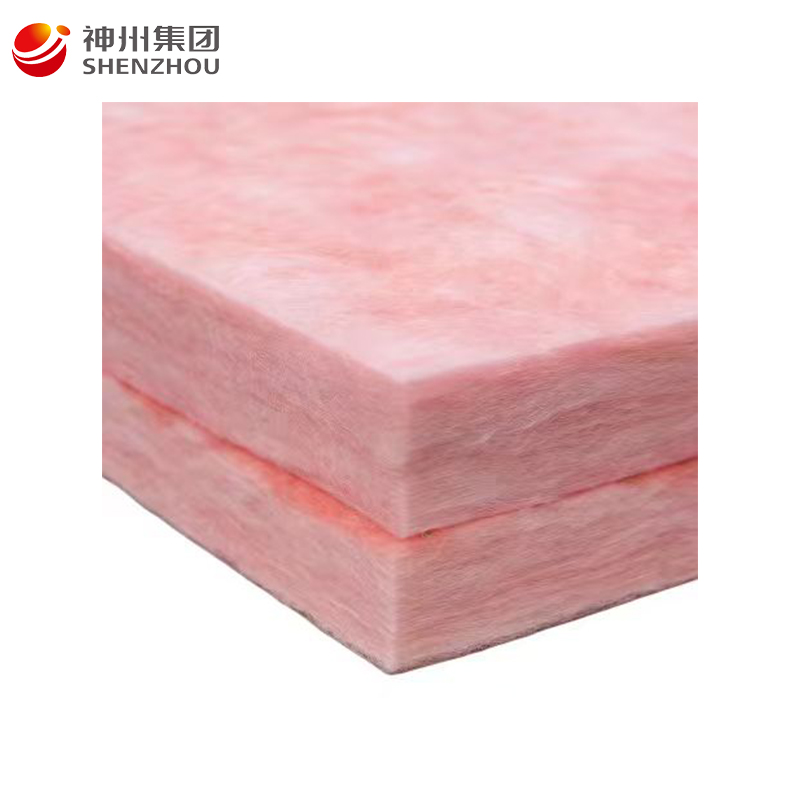
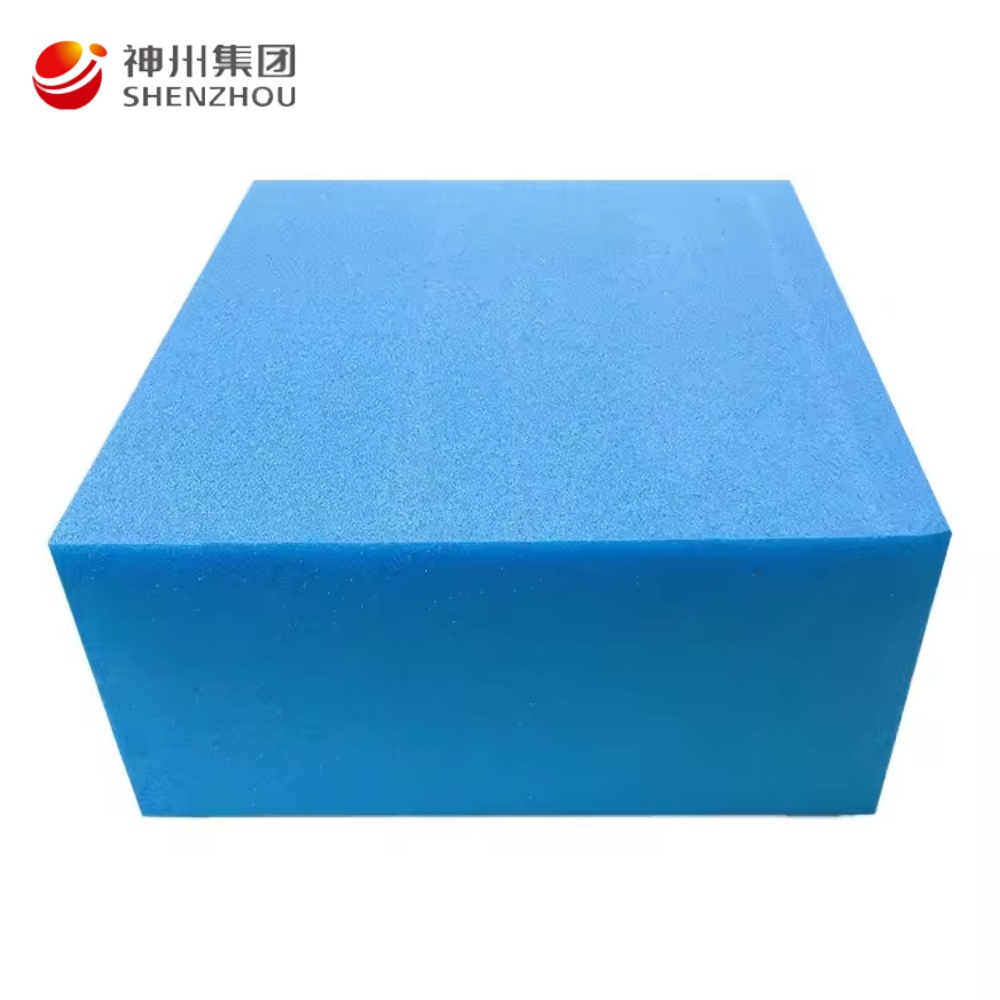
Industrial insulation products, including rock wool, glass wool, plastic foam insulation, and aerogel blankets, may therefore require testing or classification appropriate to the intended application. The relevant evidence helps demonstrate whether a product meets the fire safety requirements specified by building codes, facility fire protection strategies, project owners, and insurers.
As a custom insulation product manufacturer, Shenzhou group has passed CE, ISO 9001, ISO 14001, ISO 45001, ISO 50001, ISO 10012, intellectual-property-management system, American FM, Korea KS, American GreenGuard, UL, Chinese CQC, ten rings, classification society and other domestic and foreign nearly 100 certification and testing. It has passed the British BS476:Part7:1997 test and the American ASTM E84 test.