



Oct.15,2026
Thermal conductivity (lambda, λ) is a key factor when comparing insulation materials because it determines how much heat passes through a material at a given thickness. For most applications, a lower λ value means better insulation performance per unit of thickness, but the right choice also depends on operating temperature, fire resistance, moisture exposure, mechanical strength, and installation conditions. When evaluating Shenzhou insulation materials, buyers should compare verified thermal conductivity data alongside service requirements and consider the relationship between lambda and thermal resistance explained in this guide to lambda and R-values.
Thermal conductivity, represented by the Greek letter λ, measures a material's ability to conduct heat. It is expressed in watts per meter-kelvin (W/(m·K)). A lower value indicates that less heat passes through a given thickness under comparable test conditions.
For industrial insulation buyers, lambda is an important starting point when comparing materials for industrial furnaces, pipelines, boilers, kilns, and high-temperature equipment. However, a low value alone does not guarantee the best solution. The insulation must also withstand the actual operating temperature, environmental exposure, and mechanical demands of the application.
Three related terms should be distinguished:
Thermal conductivity (λ): A material property describing its ability to conduct heat.
Thermal resistance (R): The resistance of a specific material thickness to heat flow, calculated as R = d/λ for a uniform layer under defined conditions.
Overall heat transfer coefficient (U): The heat transfer rate through a complete building element or assembly per unit area and temperature difference.
Understanding these differences helps procurement teams compare technical specifications accurately rather than selecting products based on a single advertised number.
Different insulation materials offer different combinations of thermal performance, temperature resistance, fire behavior, durability, and cost. The following table provides indicative conductivity ranges for common insulation families. These are general reference values, not guaranteed specifications for individual products.
| Insulation material | Indicative thermal conductivity λ (W/(m·K)) | Typical consideration |
|---|---|---|
| PIR rigid foam | 0.018–0.028 | Low conductivity for space-constrained applications |
| Phenolic foam | 0.020–0.040 | Thermal performance and fire characteristics depend on the product |
| EPS | 0.031–0.040 | Common in building insulation |
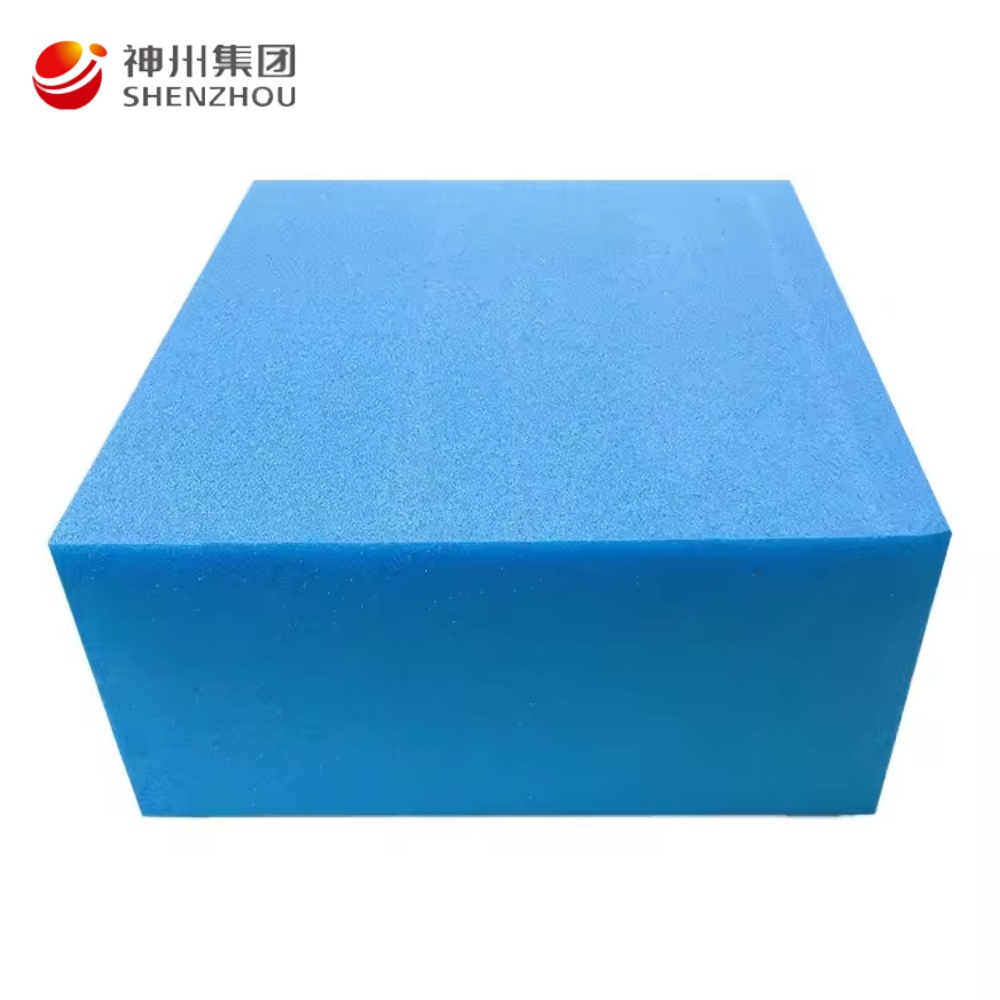
| XPS | 0.029–0.038 | Often selected where moisture resistance and compressive strength matter |
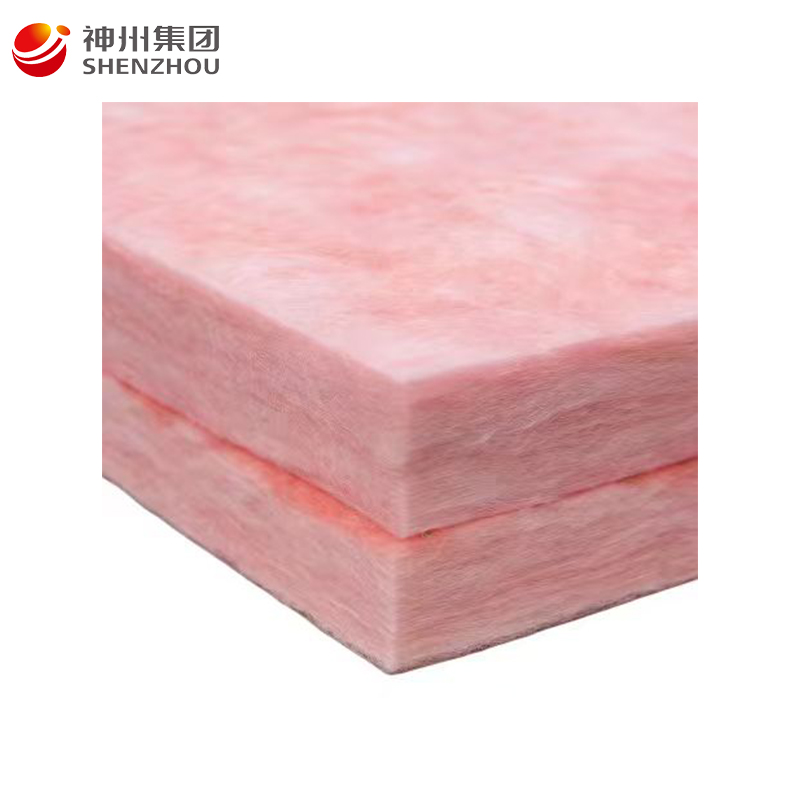
| Glass wool | 0.030–0.040 | Building and selected industrial insulation applications |
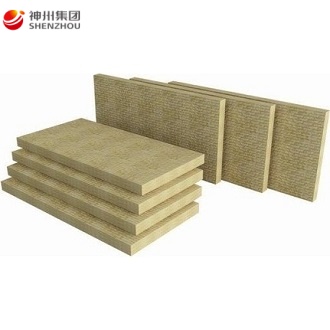
| Rock wool | 0.033–0.041 | Useful where fire resistance and acoustic performance are important |
| Calcium silicate | 0.045–0.065 | Used in certain high-temperature industrial systems |
| Ceramic fiber | Approximately 0.030–0.070 | Varies significantly with temperature, density, and product structure |
Note: Values are approximate and may vary by product grade, density, mean temperature, moisture content, and test method. The ranges above should not replace manufacturer datasheets or declared values for engineering calculations.
The broad comparison shows why insulation products should not be ranked by lambda alone. Some low-conductivity foams are suitable for building envelopes but cannot withstand the temperatures encountered in furnaces or other high-temperature equipment. Conversely, ceramic fiber and other refractory insulation products are designed for demanding thermal environments where ordinary polymer insulation is unsuitable.
Thermal conductivity directly affects the thickness required to achieve a target thermal resistance. For a homogeneous insulation layer, the basic relationship is:
R = d / λ
Where:
R is thermal resistance in m²·K/W.
d is insulation thickness in meters.
λ is thermal conductivity in W/(m·K).
For example, suppose an engineering design requires a thermal resistance of 2.0 m²·K/W.
| Lambda value | Required thickness for R = 2.0 |
|---|---|
| 0.025 W/(m·K) | 50 mm |
| 0.035 W/(m·K) | 70 mm |
| 0.050 W/(m·K) | 100 mm |
These figures are theoretical calculations for a uniform layer. Actual industrial systems may require additional thickness or different designs because of thermal bridges, surface heat transfer, installation gaps, temperature-dependent properties, and other operating conditions.
For buyers, a lower lambda may reduce the required thickness, which can be valuable when equipment space is limited. However, the final decision should compare the complete installed system, including insulation cost, protective cladding, supports, maintenance, and expected service life.
Heat travels through materials by different mechanisms, including conduction through solids and gases and, depending on the structure and temperature, radiation. Fibrous materials, cellular foams, and microporous insulation products therefore behave differently.
Density also matters, but its effect is not always linear. Increasing density may improve some mechanical or thermal characteristics while increasing solid-phase heat conduction. Buyers should compare the tested conductivity of the actual grade rather than assuming that a higher-density product is always better.
Thermal conductivity can change as temperature increases. A value measured near room temperature may not accurately represent performance in a hot pipeline, furnace lining, or industrial kiln.
For high-temperature applications, request temperature-dependent conductivity data where available. Check whether the stated value represents mean temperature, hot-face temperature, or a specified laboratory test condition.
Water can increase heat transfer in many insulation materials. In humid industrial environments, outdoor pipelines, or systems exposed to condensation, moisture absorption and water-vapor management can therefore affect long-term performance.
A material with a favorable dry-state lambda may not deliver the same performance if it becomes wet. Evaluate moisture resistance, sealing, drainage, protective coverings, and the operating environment before making a purchasing decision.
Some materials can experience changes in thermal performance over time. Installation defects can also undermine insulation efficiency. Compressed fibers, open joints, damaged facings, and gaps around pipes or equipment can create heat-loss paths that are not reflected in the nominal material lambda.
Procurement specifications should address both product properties and installation requirements.
The most appropriate material depends on the application and its constraints.
For building envelopes and space-limited systems: PIR and phenolic foam may be considered where low conductivity and limited thickness are priorities. Confirm fire classification, temperature limits, moisture behavior, and local code requirements.
For fire-conscious building and industrial applications: Glass wool and rock wool may be suitable depending on the product grade and system design. Verify the relevant fire classification, binder characteristics, service temperature, and installation details.
For furnaces, kilns, and high-temperature equipment: Ceramic fiber and other refractory insulation products may be more appropriate than conventional building foams. Selection should consider continuous and peak operating temperatures, thermal cycling, shrinkage, chemical exposure, and the required lining structure.
For moisture-exposed or mechanically loaded applications: Consider the complete performance profile, including water absorption, compressive strength, dimensional stability, and protective system design. Lambda is important, but it is only one part of the specification.
For further background on comparing insulation products, see this thermal conductivity comparison guide and the discussion of lambda as a key insulation parameter.
Before approving a material, procurement and engineering teams should verify the following information:
Declared thermal conductivity: Confirm the value, units, test method, reference temperature, and applicable product grade.
Service temperature: Check the continuous operating limit and any short-term temperature restrictions.
Fire performance: Review applicable fire-test results and classifications for the intended application.
Density and dimensions: Confirm that the proposed product matches the required thickness, density, and installation format.
Mechanical properties: Assess compressive strength, dimensional stability, and resistance to handling or vibration where relevant.
Moisture and chemical compatibility: Check exposure to water, steam, oils, process chemicals, and other environmental factors.
Quality documentation: Request current technical datasheets, test reports, and other applicable conformity documents.
When comparing quotations, ensure that all suppliers provide data under comparable conditions. Comparing a room-temperature value from one material with a high-temperature value from another can produce a misleading result.
One common mistake is choosing the material with the lowest published lambda without checking its operating temperature. Another is assuming that two products with the same nominal conductivity will deliver identical performance after installation.
Buyers should also avoid comparing products with different test conditions, overlooking moisture exposure, or treating theoretical insulation resistance as the actual performance of a complete system.
A more reliable approach is to define the target thermal resistance, identify the operating conditions, shortlist technically suitable materials, and then compare the total installed cost. This method helps balance thermal performance, safety, durability, and project budget.
A lower lambda generally provides better insulation at the same thickness under comparable conditions. However, the material must also meet the application's temperature, fire, moisture, and mechanical requirements.
Lambda measures the thermal conductivity of a material, while R-value describes the thermal resistance of a particular thickness. For a uniform layer, R is calculated by dividing thickness in meters by lambda.
Yes, provided the values use comparable test methods, reference temperatures, and product conditions. Always check the technical datasheets and supporting test documentation before using the figures for engineering calculations.
Ceramic fiber products are designed for refractory and high-temperature insulation applications. Their suitability depends on the specific grade, continuous service temperature, thermal cycling, chemical exposure, and lining design—not on lambda alone.
Start by selecting insulation appropriate for the operating temperature and target thermal resistance. Then control installation gaps, thermal bridges, moisture ingress, and damaged protective layers, and inspect the system periodically.
Choosing industrial insulation requires more than comparing a single conductivity figure. Buyers should evaluate lambda under relevant operating conditions alongside service temperature, fire performance, durability, and total installed cost. For product information and project-specific discussions, contact Shenzhou at qiu@shenzhoujt.cn or visit www.shenzhougroup.com.cn to discuss your insulation requirements and identify suitable material options.