



Jun.12,2026
Selecting the right Acoustic Wall Panel has become a critical decision for architects, contractors, interior designers, distributors, and project developers. As modern buildings place greater emphasis on occupant comfort, productivity, and sustainability, acoustic performance is no longer an optional feature—it is a key requirement.
Whether you are sourcing materials for offices, educational facilities, hotels, commercial spaces, healthcare buildings, or residential developments, choosing the appropriate Acoustic Wall Panel can significantly impact noise control, interior aesthetics, and long-term project value.
The question many buyers ask during the procurement process is:
How do you choose the best Acoustic Wall Panel for your project?
Excessive noise negatively affects communication, concentration, learning efficiency, and overall user experience.
A high-quality Acoustic Wall Panel helps:
Reduce reverberation
Improve speech intelligibility
Control unwanted noise
Enhance occupant comfort
Create productive indoor environments
Improve architectural aesthetics
As open-plan offices, flexible workspaces, conference centers, and mixed-use developments become more common, acoustic treatment has become a fundamental part of interior construction.
When evaluating Acoustic Wall Panel suppliers, buyers should focus on performance rather than appearance alone.
One of the most important specifications is the Noise Reduction Coefficient (NRC).
Higher NRC values generally indicate better sound absorption performance.
Projects such as:
Corporate offices
Meeting rooms
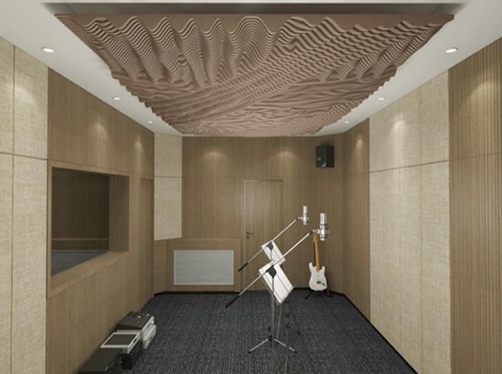
Recording studios
Educational facilities
Hotels
often require higher acoustic performance to reduce echo and improve sound clarity.
Different materials offer different advantages.
Common options include:
Polyester Fiber Acoustic Panel
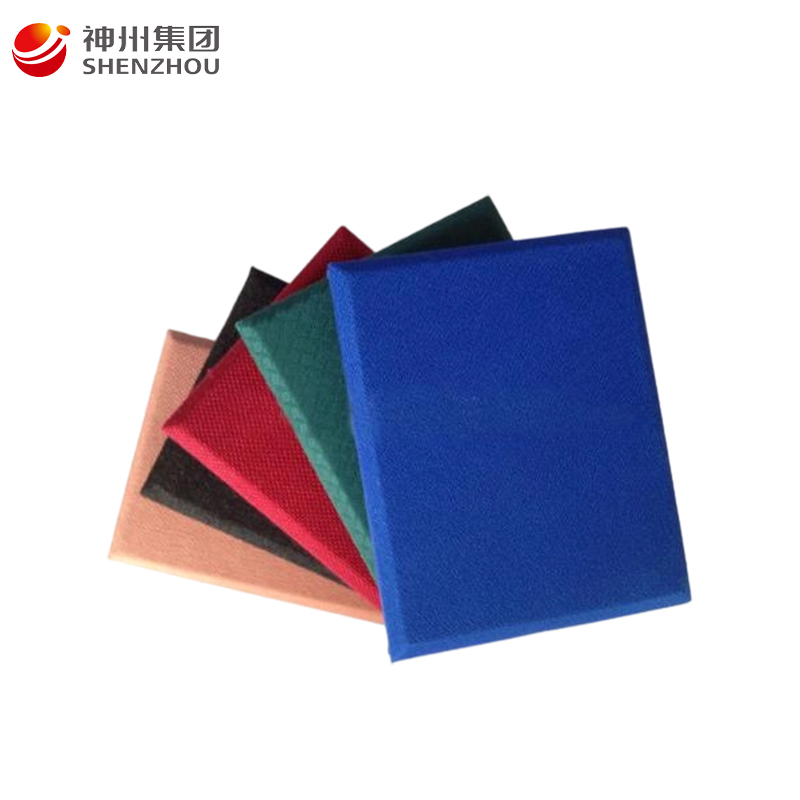
Fabric Wrapped Acoustic Panel
Wood Slat Acoustic Panel
PET Acoustic Panel
Decorative Acoustic Board
For environmentally conscious projects, recycled PET acoustic panels have become increasingly popular due to their sustainability benefits and excellent acoustic performance.
Many commercial projects require compliance with fire safety regulations.
Professional buyers should verify:
Fire rating certification
Smoke development performance
Building code compliance
Material safety documentation
Fire-resistant Acoustic Wall Panel systems are widely used in public buildings, airports, schools, and healthcare facilities.
Many developers ask:
Why invest in Acoustic Wall Panel systems instead of conventional wall finishes?
Advantages:
Lower initial cost
Familiar installation methods
Limitations:
Minimal sound absorption
Increased reverberation
Reduced occupant comfort
Advantages:
Effective noise control
Improved indoor acoustics
Decorative appearance
Better user experience
Enhanced building value
For projects where productivity, learning, communication, or hospitality experiences matter, acoustic solutions often provide a stronger return on investment.
Acoustic performance depends on more than material thickness.
Important technologies include:
Sound absorption engineering
Micro-perforation technology
Polyester fiber compression technology
Acoustic cavity design
Noise diffusion systems
Sustainable material processing
Precision CNC manufacturing
These technologies help improve sound absorption while maintaining attractive architectural finishes.
Demand for Acoustic Wall Panel products continues to expand globally.
Common applications include:
Open-plan offices increasingly rely on acoustic wall systems to reduce distractions and improve employee productivity.
Schools, universities, libraries, and training centers use acoustic panels to improve classroom communication and learning outcomes.
Hotels, resorts, restaurants, and conference centers require acoustic treatment to create comfortable guest environments.
Hospitals and clinics benefit from improved privacy and reduced noise levels.
Luxury apartments, home theaters, music rooms, and villas increasingly incorporate decorative acoustic wall systems.
Many construction projects now prioritize green building standards.
Acoustic Wall Panel solutions manufactured from recycled PET materials contribute to:
Sustainable building certifications
Reduced environmental impact
Improved indoor environmental quality
Circular economy initiatives
For developers pursuing green construction goals, sustainable acoustic materials can provide additional project value.
For most commercial and architectural projects, the following products are highly recommended:
Polyester Fiber Acoustic Wall Panel
PET Acoustic Panel
Wood Slat Acoustic Wall Panel
Decorative Acoustic Panel
Fabric Wrapped Acoustic Panel
Sound Absorption Board
Acoustic Ceiling Panel
Acoustic Partition Panel
Conference Room Acoustic Panel
Office Acoustic Wall System
A complete acoustic solution often combines wall panels, ceiling systems, and decorative acoustic elements to achieve optimal performance.
Why Choose Shenzhou Acoustic Wall Panel?
Shenzhou provides comprehensive acoustic solutions for commercial, educational, hospitality, healthcare, and residential projects worldwide.
Key advantages include:
High sound absorption performance
Decorative architectural finishes
Sustainable PET material options
Fire-resistant solutions
Customized sizes and designs
OEM and project-based manufacturing
Consistent production quality
Professional technical support
The product range supports architects, contractors, distributors, interior designers, and project developers seeking reliable acoustic treatment solutions.
With growing demand for healthier, quieter, and more productive indoor environments, selecting the right Acoustic Wall Panel supplier is increasingly important.
The best Acoustic Wall Panel is not simply the lowest-cost option. It is the solution that balances acoustic performance, aesthetics, durability, sustainability, installation efficiency, and long-term project value.
Email: qiu@shenzhoujt.cn