



Industry News
Sep.22,2026
How to Compare Insulation Materials for Industrial Equipment?
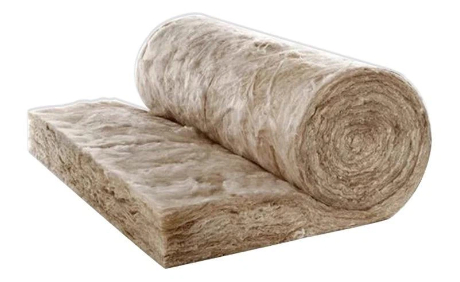
For industrial equipment, insulation should be selected from the operating temperature, thermal conductivity, available space, moisture exposure, fire requirements and installation method, rather than from the material name alone.
Sep.22,2026
How Does Insulation Density Affect Material Selection?
Insulation density should be selected according to the required thermal, acoustic, mechanical and installation performance, rather than simply choosing the highest or lowest value.
Aug.12,2026
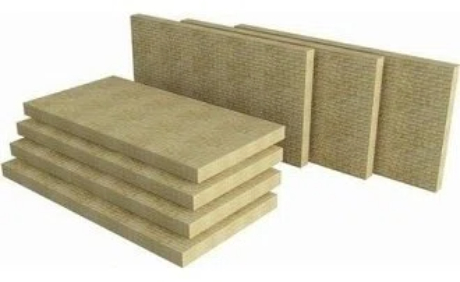
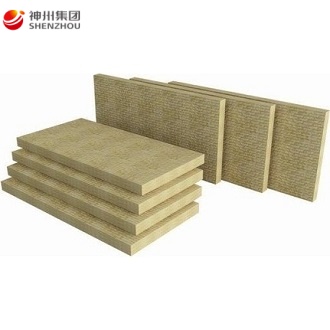
Rock Wool Insulation Guide : Fire-Rated Stone Wool for Building & Industrial Applications
Rock wool — made from molten basalt rock spun into fibers at 1,500°C — is non-combustible at its core, not through a fire-retardant additive that degrades over time.
Aug.12,2026
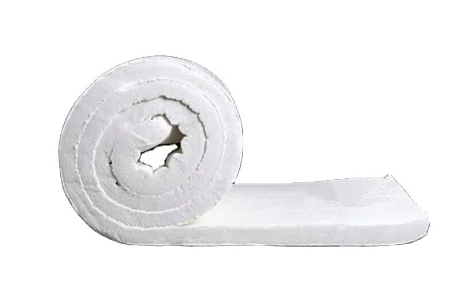
Ceramic wool — an alumina-silica fiber spun from molten kaolin clay and alumina at temperatures exceeding 1,800°C — maintains its fibrous structure and insulating performance at continuous operating temperatures up to 1,430°C.
Aug.05,2026
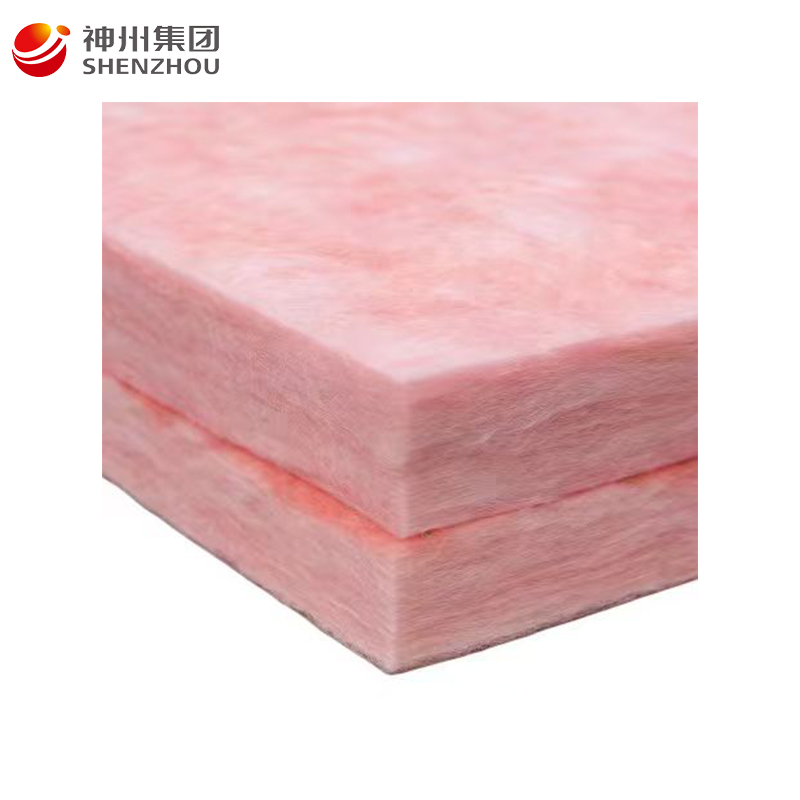
Glass Wool Insulation Buying Guide for Commercial Buildings
Choosing the right glass wool insulation for commercial buildings requires evaluating thermal conductivity, density, fire resistance, moisture resistance, thickness options, and application requirements.
Jul.28,2026
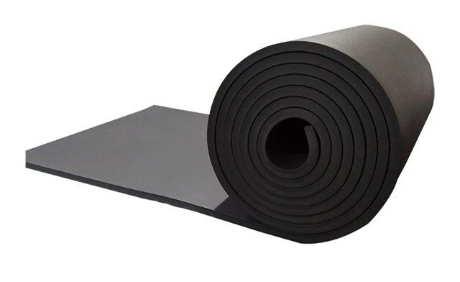
Rubber Foam vs Glass Wool Insulation
Before diving into performance metrics, it is worth understanding what these materials are at the structural level — because the structural difference explains virtually every performance difference that follows.